Alternative zu koreanischem Reis
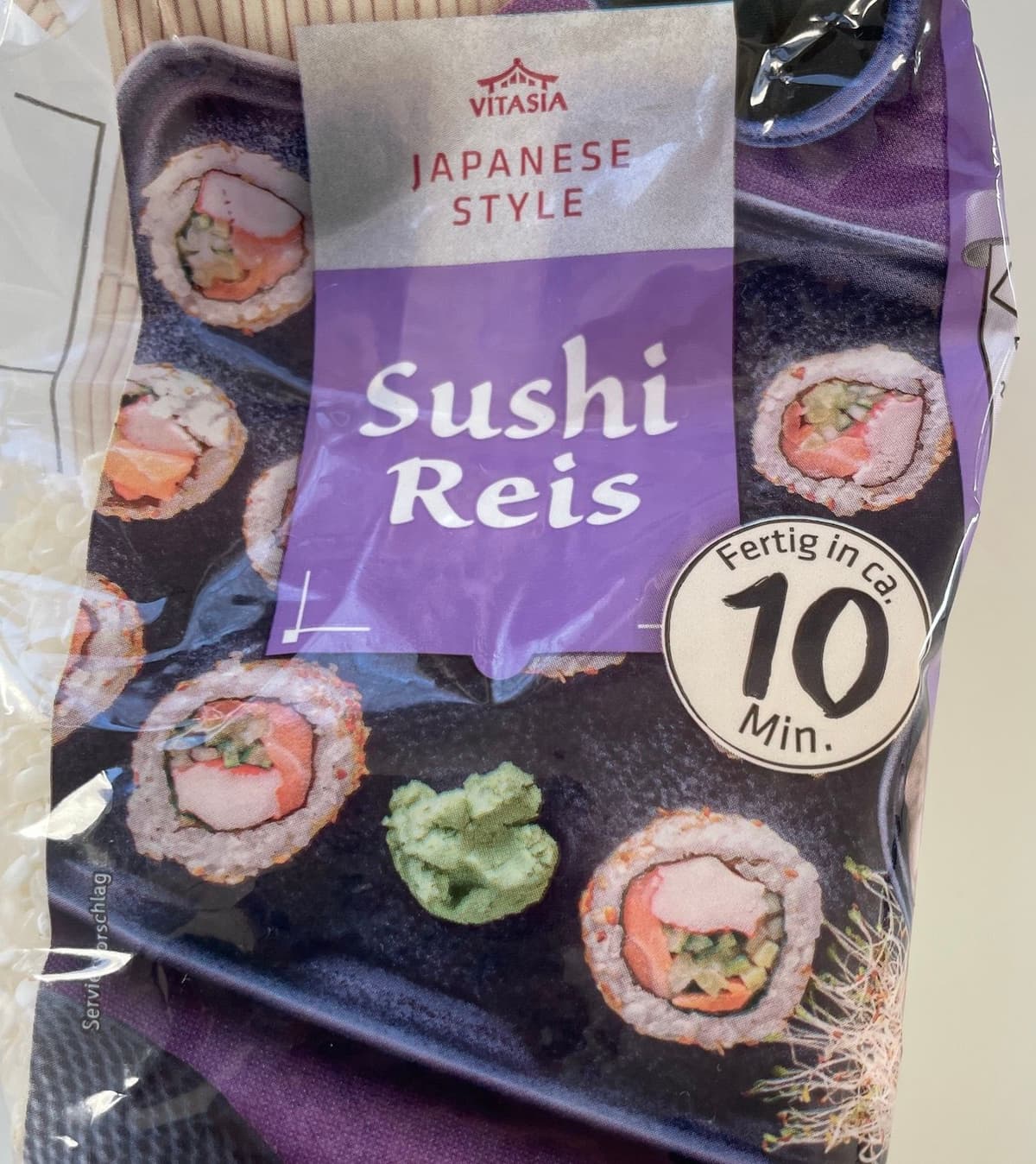
Sushi-Reis
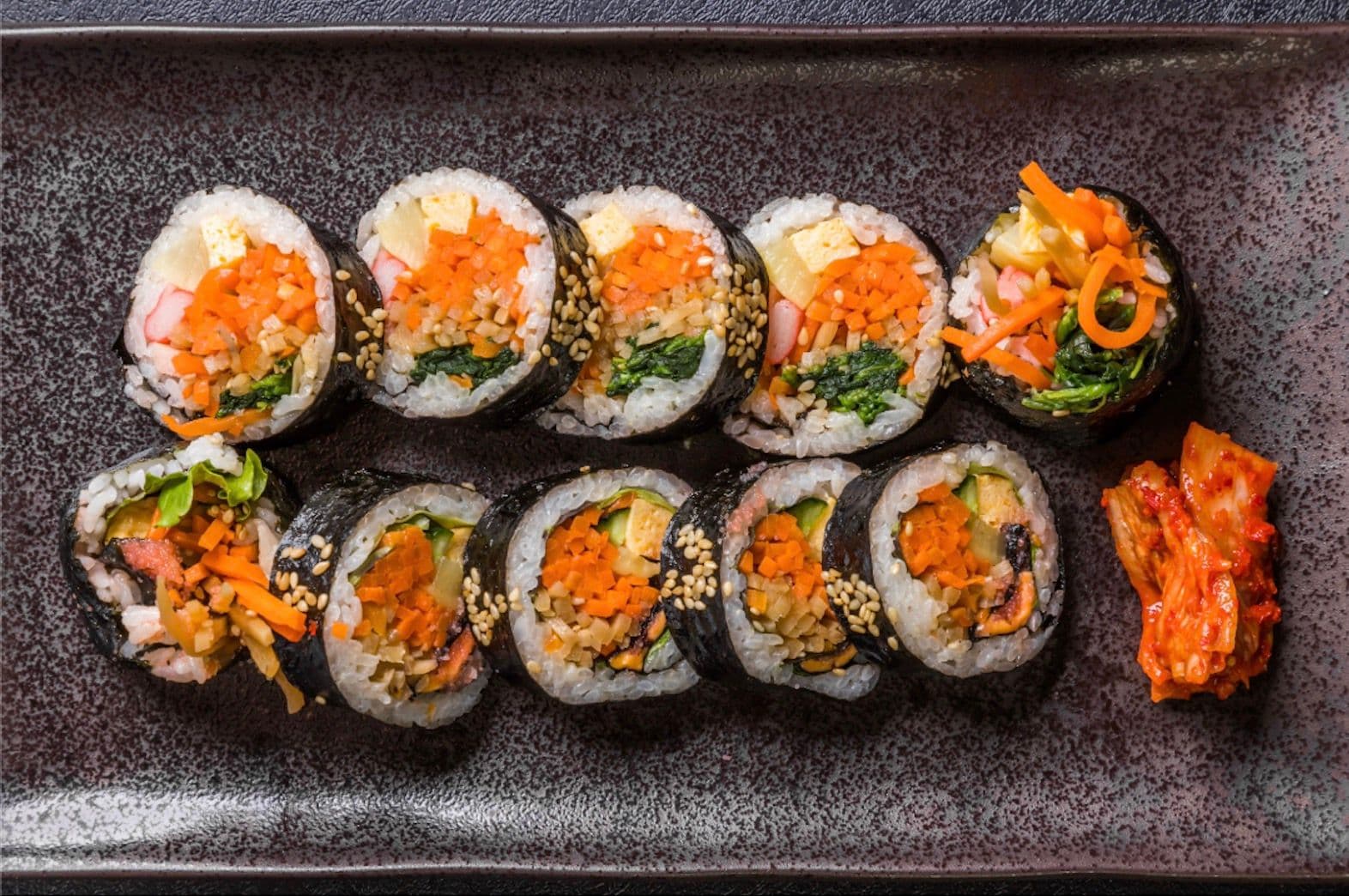
Sushi-Reis ist eine praktische Alternative, wenn koreanischer Rund- oder Mittelkornreis nicht leicht erhältlich ist. Seine leicht klebrige Textur eignet sich besonders gut für Kimbap.
Rezepte mit dieser Zutat
Mehr über diese Zutat
Sushi-Reis kann eine praktische Alternative sein, wenn koreanischer Rund- oder Mittelkornreis nicht leicht erhältlich ist. Seine Körner bleiben nach dem Kochen relativ weich und haften leicht aneinander, weshalb er für viele koreanische Reisgerichte gut funktioniert.
Besonders für Kimbap ist diese Eigenschaft wichtig. Der Reis sollte zusammenhalten, ohne zu einer breiigen Masse zu werden, damit sich die Rolle gut formen und schneiden lässt. Sehr lockerer Langkornreis ist dafür meist weniger geeignet.
Auch für Bibimbap, Jumeokbap und einfache Reisbeilagen kann Sushi-Reis verwendet werden. Geschmack und Textur sind nicht völlig identisch mit koreanischem Reis, aber für die Alltagsküche ist er häufig eine zuverlässige Alternative.
Sushi-Reis sollte vor dem Kochen mehrmals mit kaltem Wasser gewaschen werden, bis das Wasser deutlich klarer wird. Dadurch wird überschüssige Stärke entfernt und die fertige Textur lässt sich besser kontrollieren.
Für koreanische Gerichte muss Sushi-Reis nicht wie japanischer Sushi-Reis mit Essig und Zucker gewürzt werden. Wird er als Ersatz für koreanischen Reis verwendet, kochst du ihn grundsätzlich einfach als normalen Reis und würzt ihn anschließend passend zum jeweiligen Gericht.
Wo kaufen?
- Asia-Markt
- Große Supermärkte
- Online-Shops für asiatische Lebensmittel
Wofür verwenden?
- Kimbap
- Bibimbap
- Jumeokbap
- Reis-Bowls
- Reisbeilage
Worauf achten?
- Vor dem Kochen mehrmals mit kaltem Wasser waschen.
- Für Kimbap sollte der Reis zusammenhalten, aber nicht matschig sein.
- Als Ersatz für koreanischen Reis wird Sushi-Reis nicht mit Sushi-Essig und Zucker gewürzt.
Kann man es ersetzen?
Koreanischer Rund- oder Mittelkornreis ist die naheliegendste Alternative. Sehr lockerer Langkornreis eignet sich für Kimbap weniger gut.
Häufige Fragen
Wo kann ich Sushi-Reis in Deutschland kaufen?
Asia-Markt, Große Supermärkte, Online-Shops für asiatische Lebensmittel
Wofür verwendet man Sushi-Reis?
Kimbap, Bibimbap, Jumeokbap, Reis-Bowls, Reisbeilage
Kann ich Sushi-Reis ersetzen?
Koreanischer Rund- oder Mittelkornreis ist die naheliegendste Alternative. Sehr lockerer Langkornreis eignet sich für Kimbap weniger gut.
Wie lagere ich Sushi-Reis?
Beachte die Aufbewahrungshinweise auf der Verpackung.