Starte mit Basics
Gochujang, Sojasauce, Sesamöl, Reis und Kimchi reichen oft schon für viele einfache koreanische Gerichte.
Zutaten-Guide
Hier findest du koreanische Grundzutaten, ehrliche Einkaufstipps und einfache Erklärungen für die Küche in Deutschland – von Gochujang und Kimchi bis Reis, Sesamöl und Doenjang.
Gochujang, Sojasauce, Sesamöl, Reis und Kimchi reichen oft schon für viele einfache koreanische Gerichte.
Viele Zutaten findest du im Asia-Markt oder online. Für Gemüse, Reis und Basics funktionieren oft auch REWE, Edeka, Lidl oder Alnatura.
Nicht jede Zutat lässt sich perfekt ersetzen. Ich zeige dir, was funktioniert, was anders schmeckt und wann sich das Original lohnt.
Für den Anfang
Diese Zutaten sind besonders praktisch, wenn du regelmäßig koreanisch kochen möchtest.
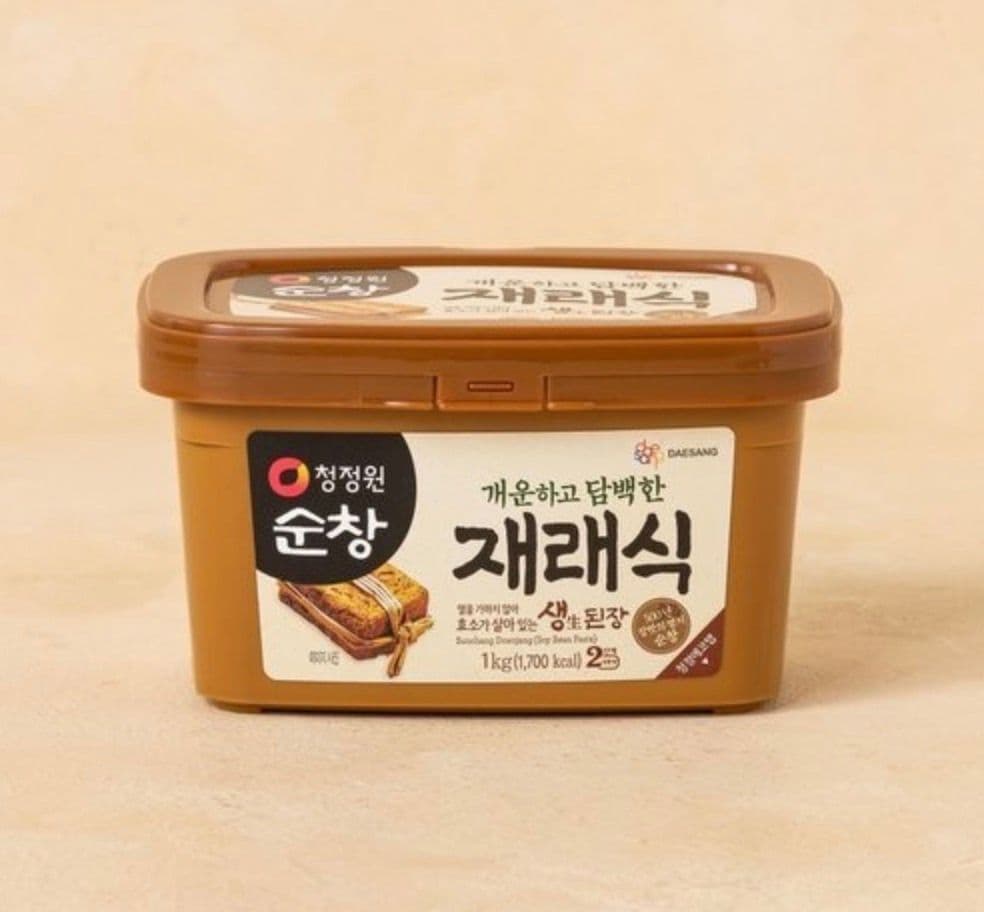
koreanische Sojabohnenpaste, 된장
Doenjang, ähnlich wie Gochujang und Sojasauce, gehört zu den Grundzutaten der koreanischen Küche. In ländlichen Gegenden...
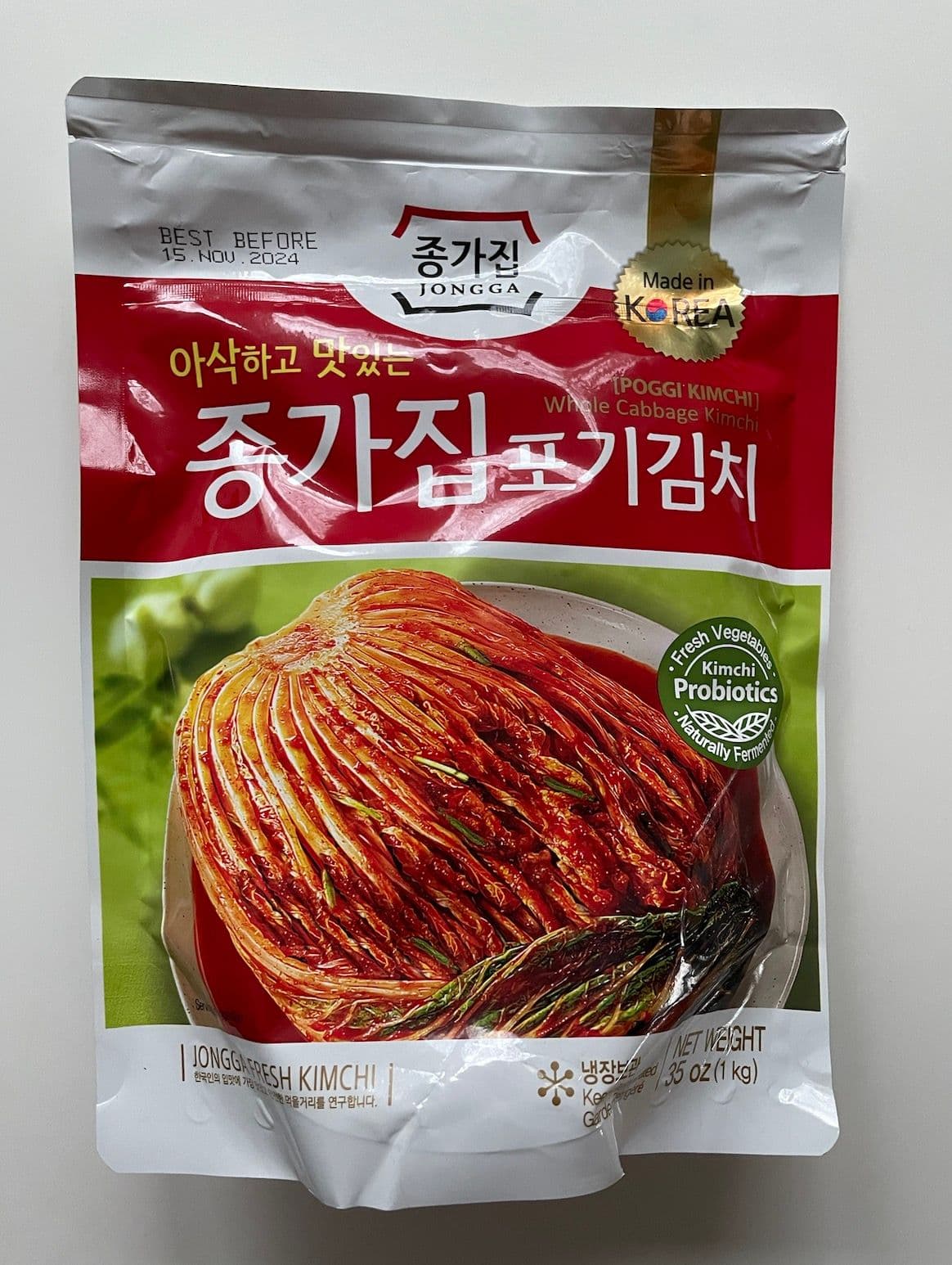
In Deutschland gibt es viele Menschen, die ihr eigenes Kimchi herstellen, und ich werde auch ein Kimchi-Rezept vorstelle...
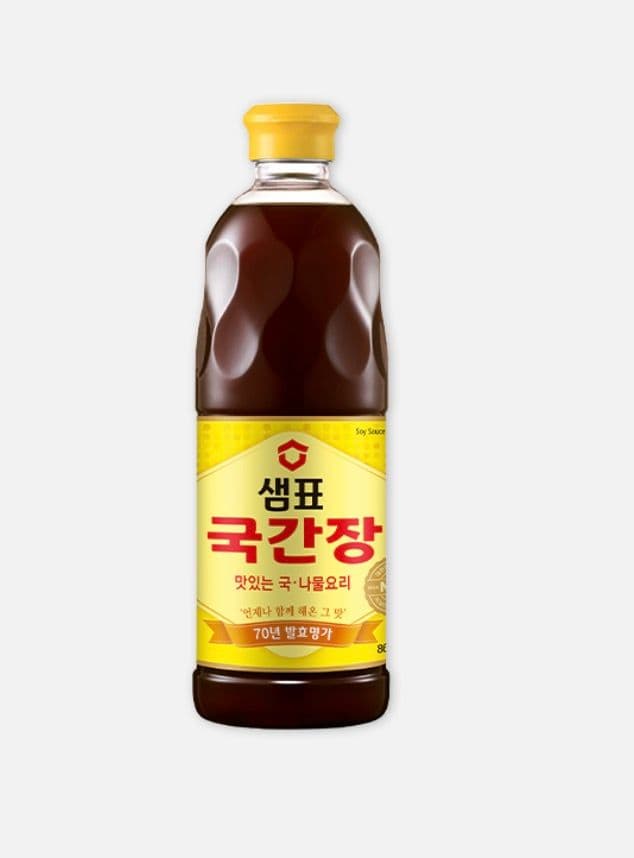
Guk-Ganjang
Guk Ganjang ist eine koreanische Sojasauce, die vor allem für Suppen und viele traditionelle Gemüsegerichte verwendet wi...
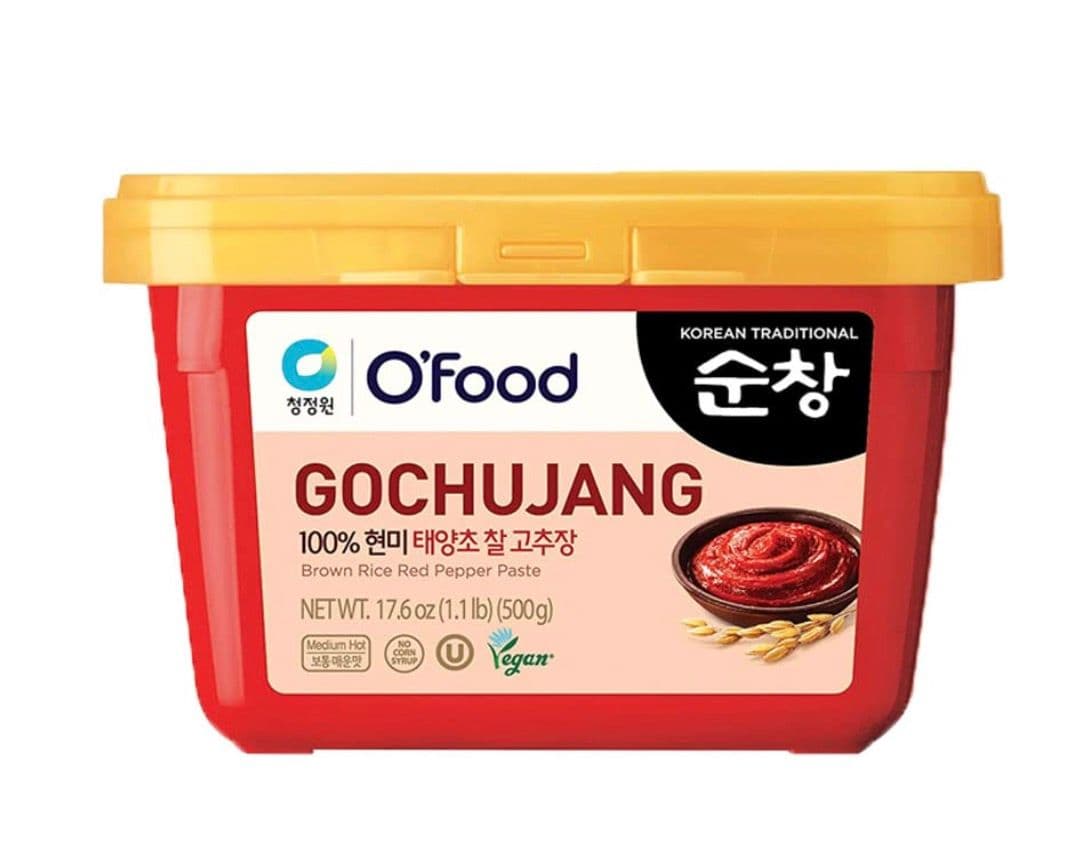
koreanische Chilipaste
Gochujang (고추장) ist eine dicke, fermentierte koreanische Chilipaste. Sie verbindet Schärfe, Süße und einen herzhaften Ge...
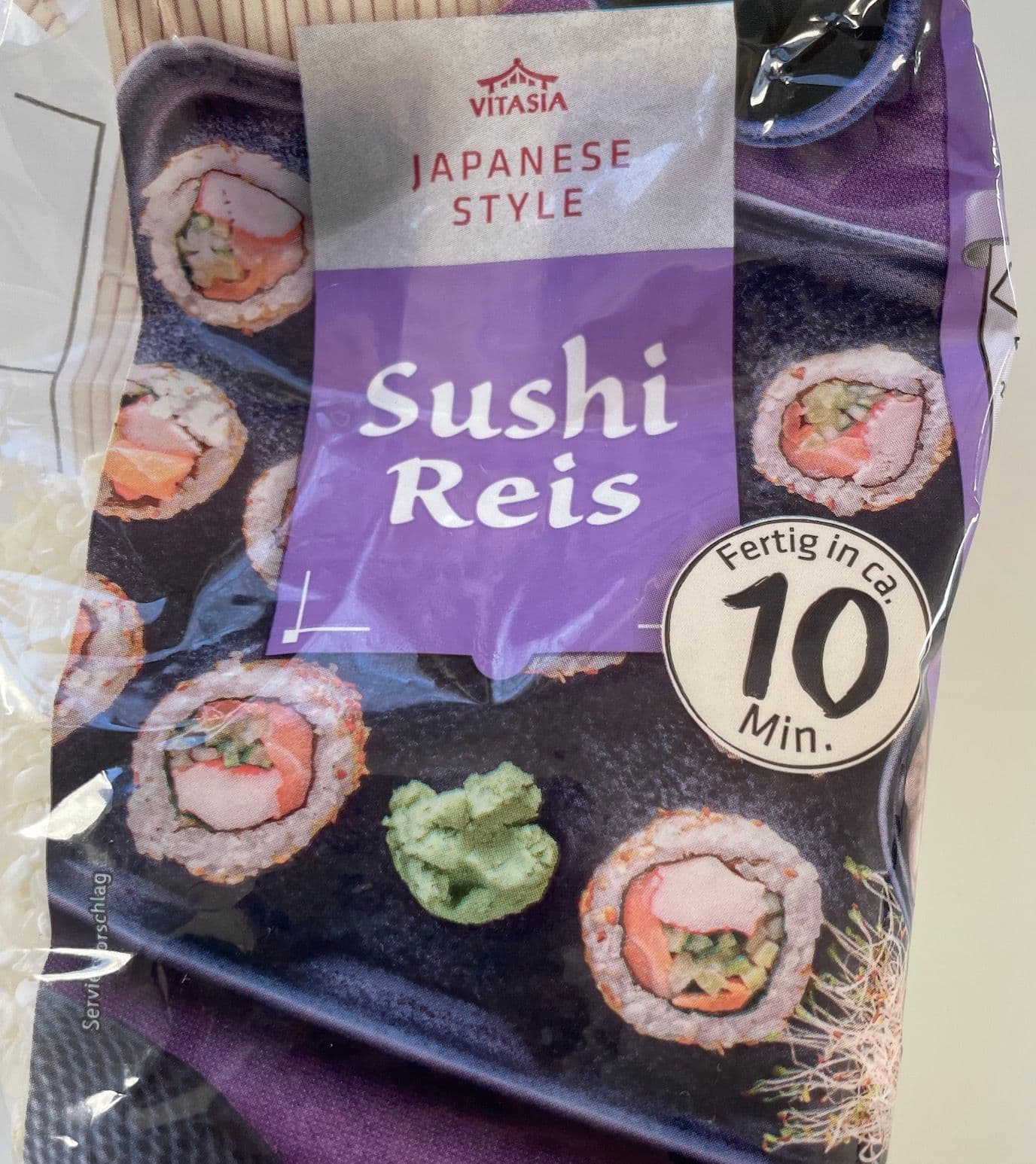
Sushi-Reis kann eine praktische Alternative sein, wenn koreanischer Rund- oder Mittelkornreis nicht leicht erhältlich is...
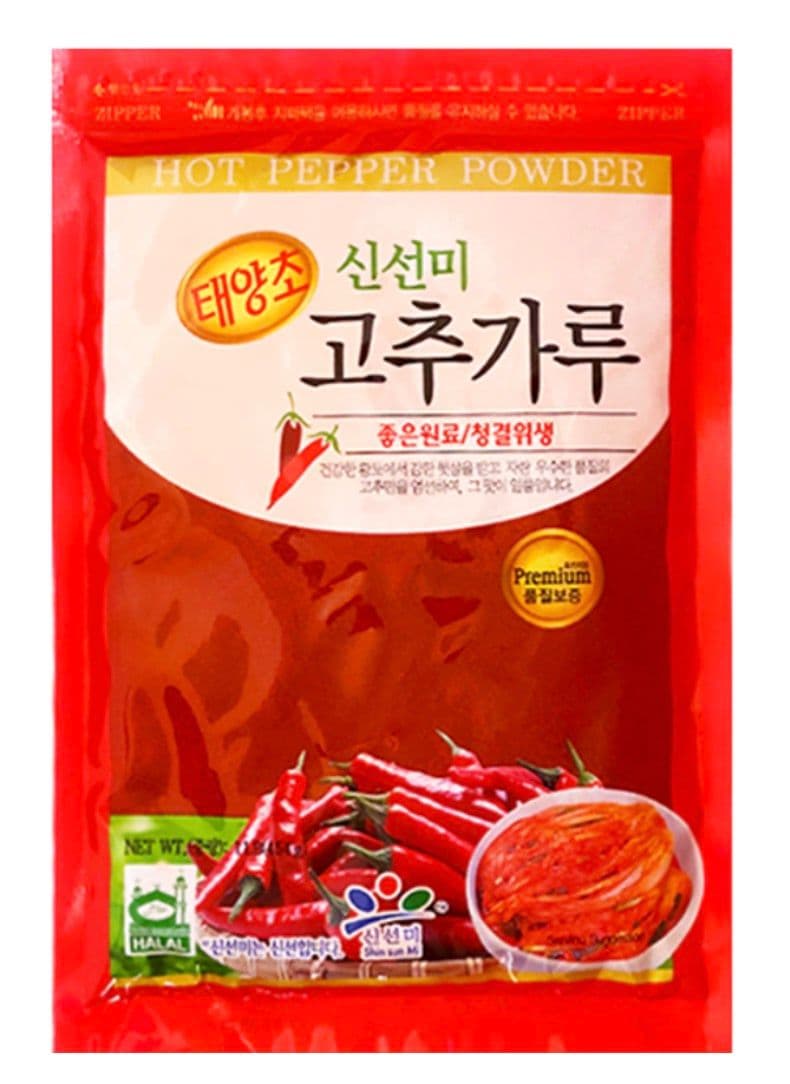
Korean Chilipulver
Gochugaru (koreanisches Chilipulver) ist etwas schwieriger zu beschaffen, denn in Korea bevorzugt man oft das Chilipulve...
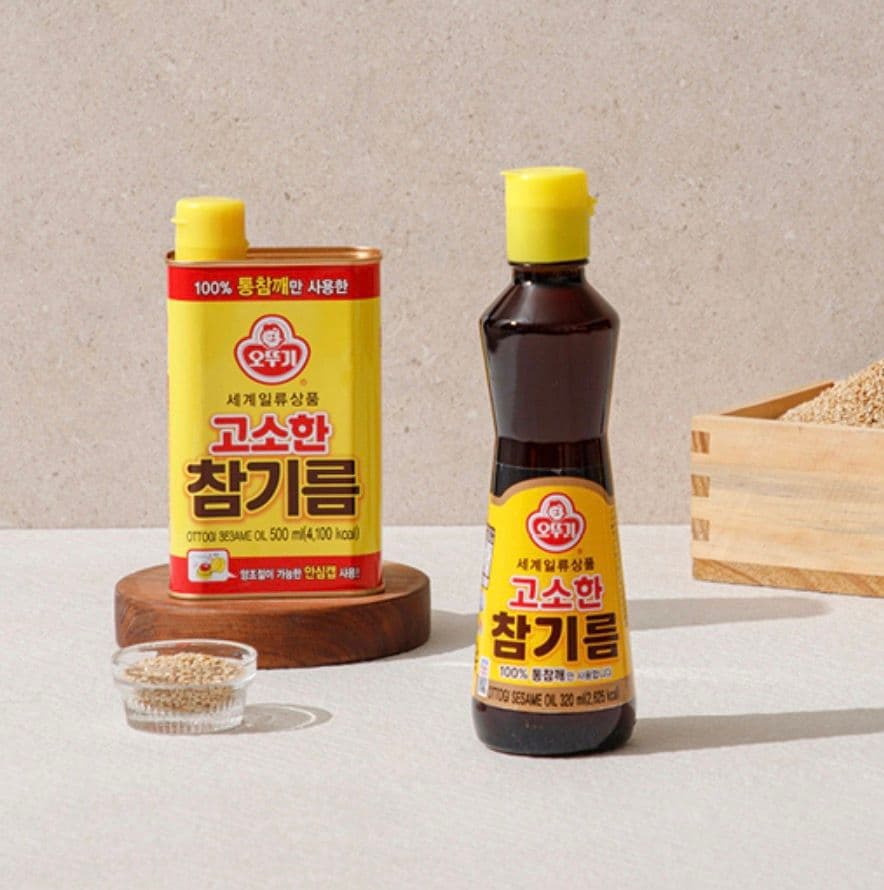
참기름
Ottogi Sesamöl ist ebenfalls ein Sesamöl, das von vielen Koreanern häufig verwendet wird. In Korea wird Sesamöl oft dire...
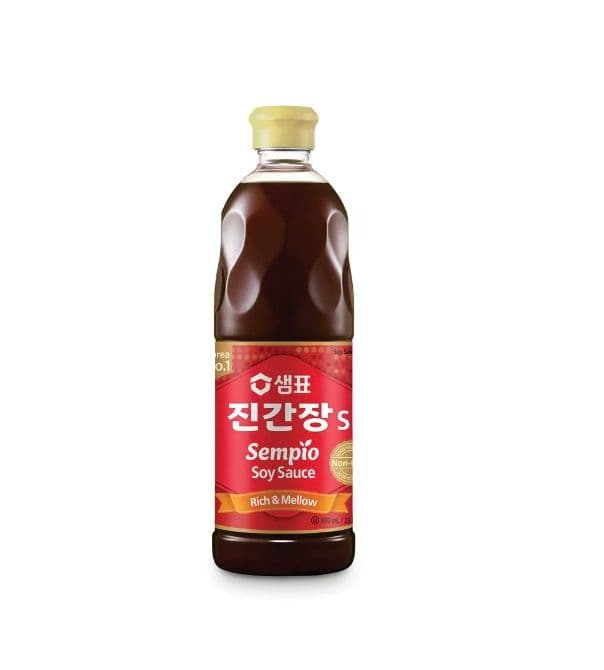
Jin-Ganjang
In Korea gibt es verschiedene Arten von Sojasauce. Jin Ganjang ist eine der wichtigsten Sojasaucen für gekochte Gerichte...
Einkaufen in Deutschland
Am besten für Gochujang, Doenjang, Gochugaru, Kimchi, Reiskuchen, Fischkuchen und getrocknete Zutaten.
Gut für Reis, Gemüse, Tofu, Eier, Fleisch, Frühlingszwiebeln und einfache Ersatzprodukte.
Praktisch für Markenprodukte, größere Packungen und Zutaten, die du nicht regelmäßig im Laden findest.
Zutaten & Küchenhelfer
Grundzutaten, Küchen-Guides und persönliche Produktnotizen mit passenden Rezepten.
Alle Zutaten
Stöbere durch alle Zutaten, die ich in meinen Rezepten verwende.
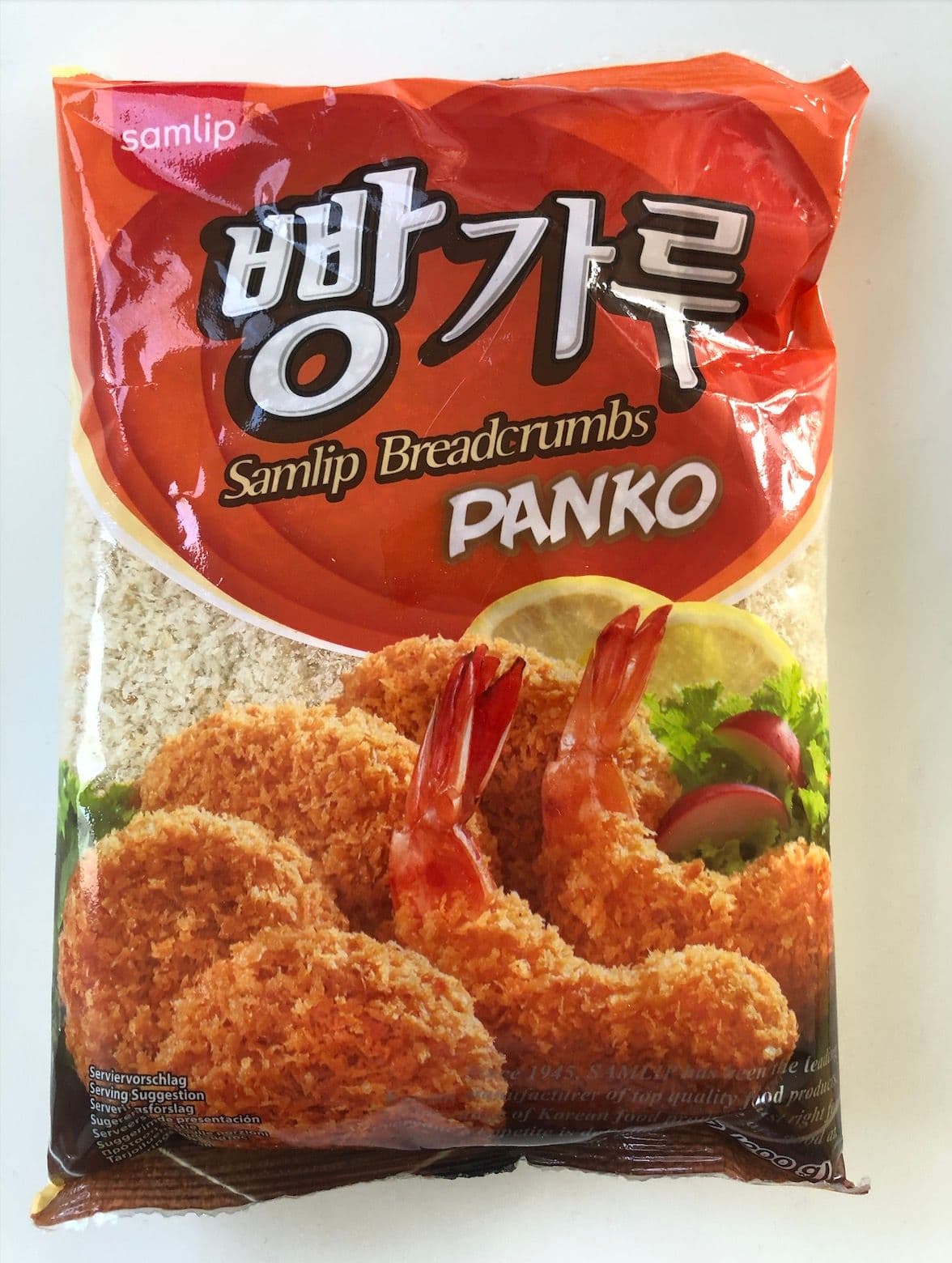
Dieses Paniermehl wird von einer koreanischen Bäckereimarke namens Samlip verkauft. Ich war überrascht, dieses Produkt i...
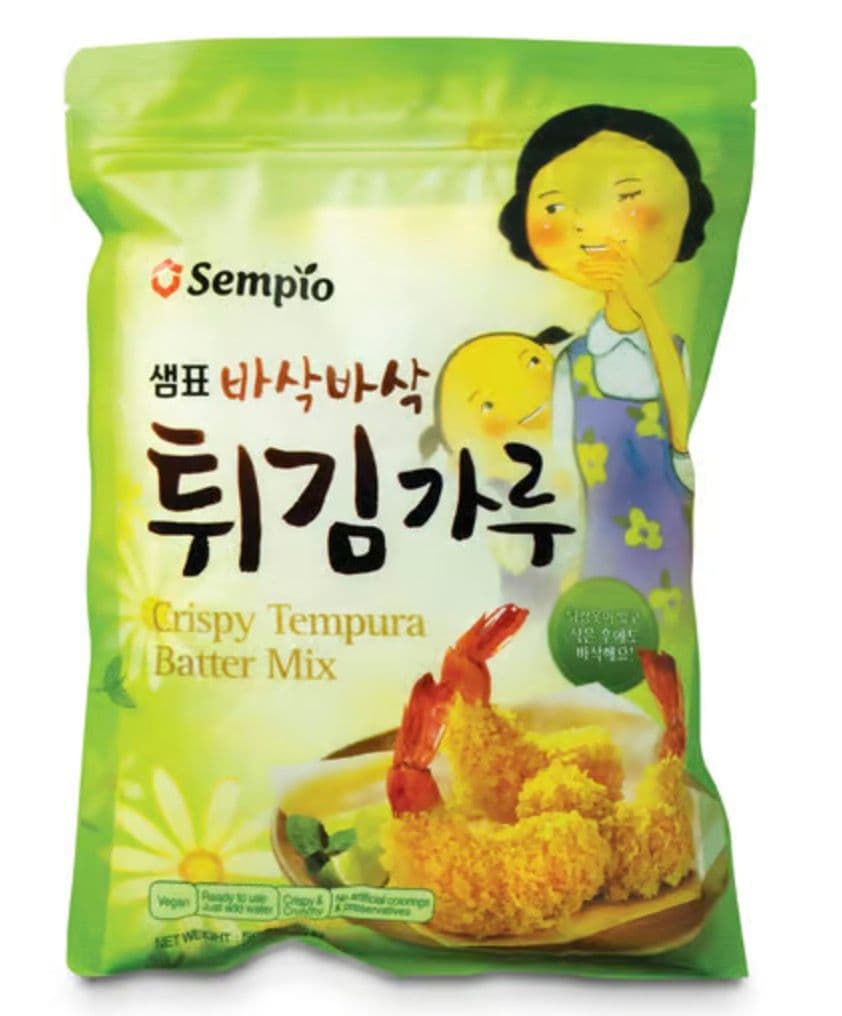
In Asiamärkten kann man Sempio , Gom Pyo und Baeksul Paniermehl finden. Es handelt sich dabei um hochwertige Markenprodu...
koreanische Sojabohnenpaste, 된장
Doenjang, ähnlich wie Gochujang und Sojasauce, gehört zu den Grundzutaten der koreanischen Küche. In ländlichen Gegenden...
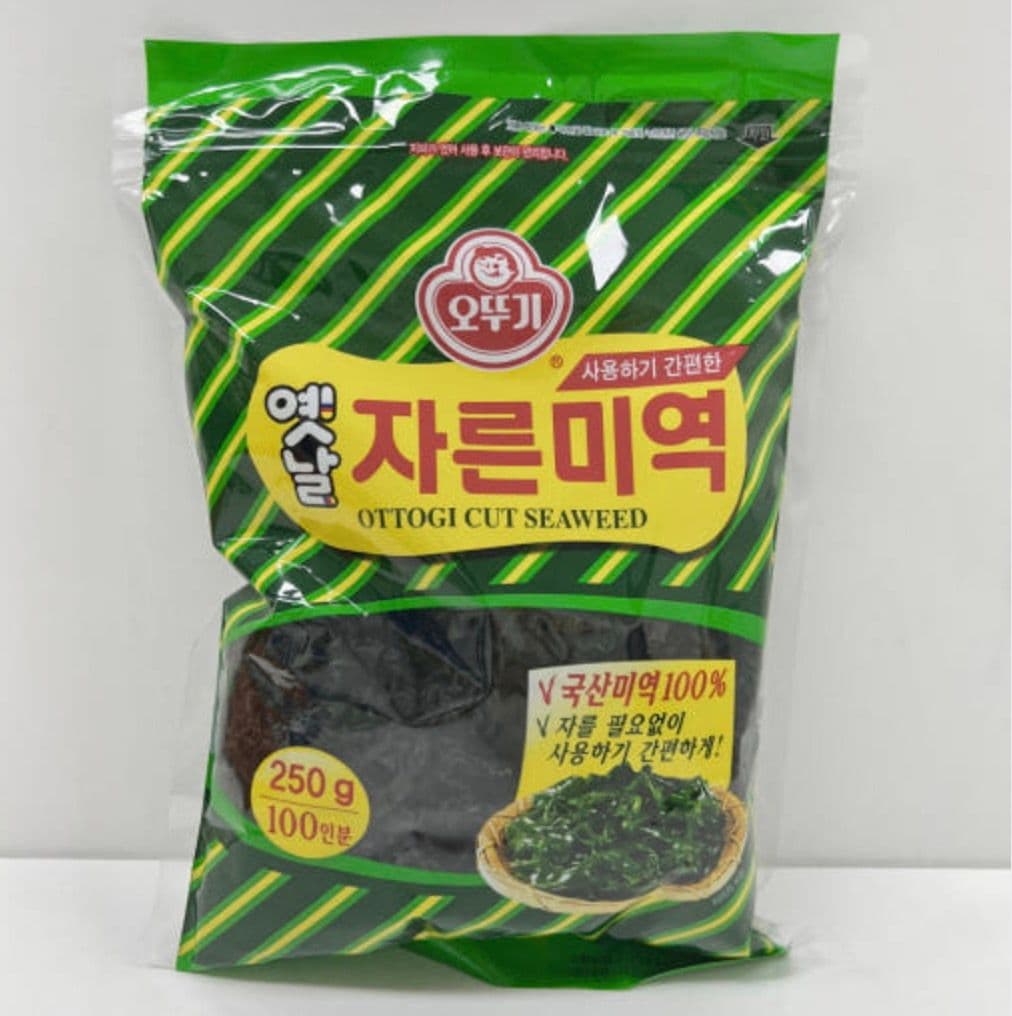
Miyeok
In Deutschland kann man in Asiamärkten oft getrockneten Seetang finden. Ich kaufe normalerweise die Marken Ottogi und Ch...
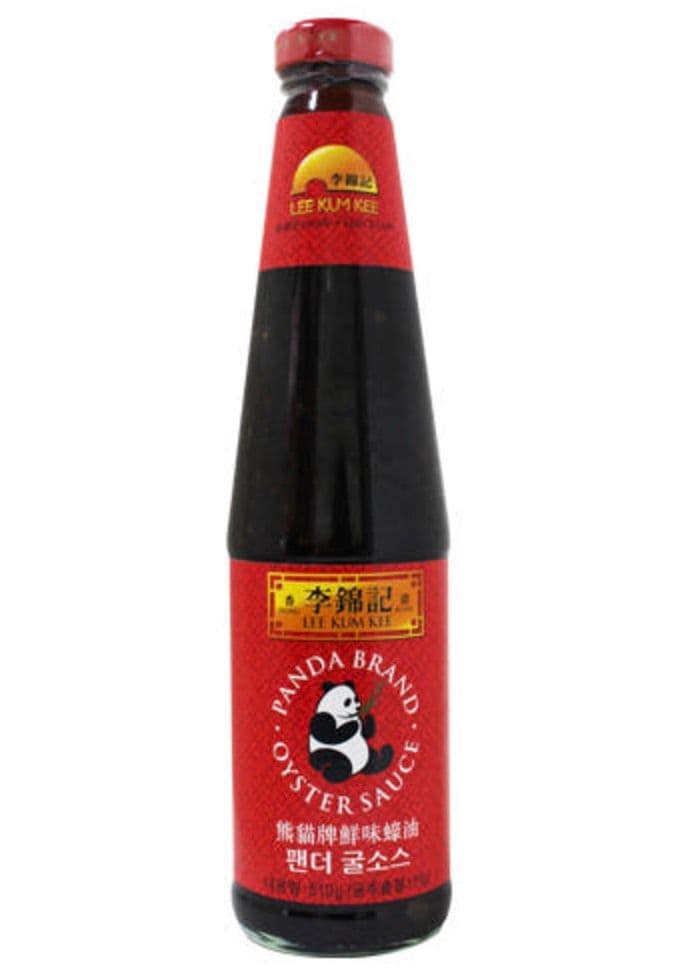
Die am häufigsten verwendete Austernsaucen-Marke in Korea ist Lee Kum Kee , eine chinesische Marke. Auch ich benutze die...
In Deutschland gibt es viele Menschen, die ihr eigenes Kimchi herstellen, und ich werde auch ein Kimchi-Rezept vorstelle...
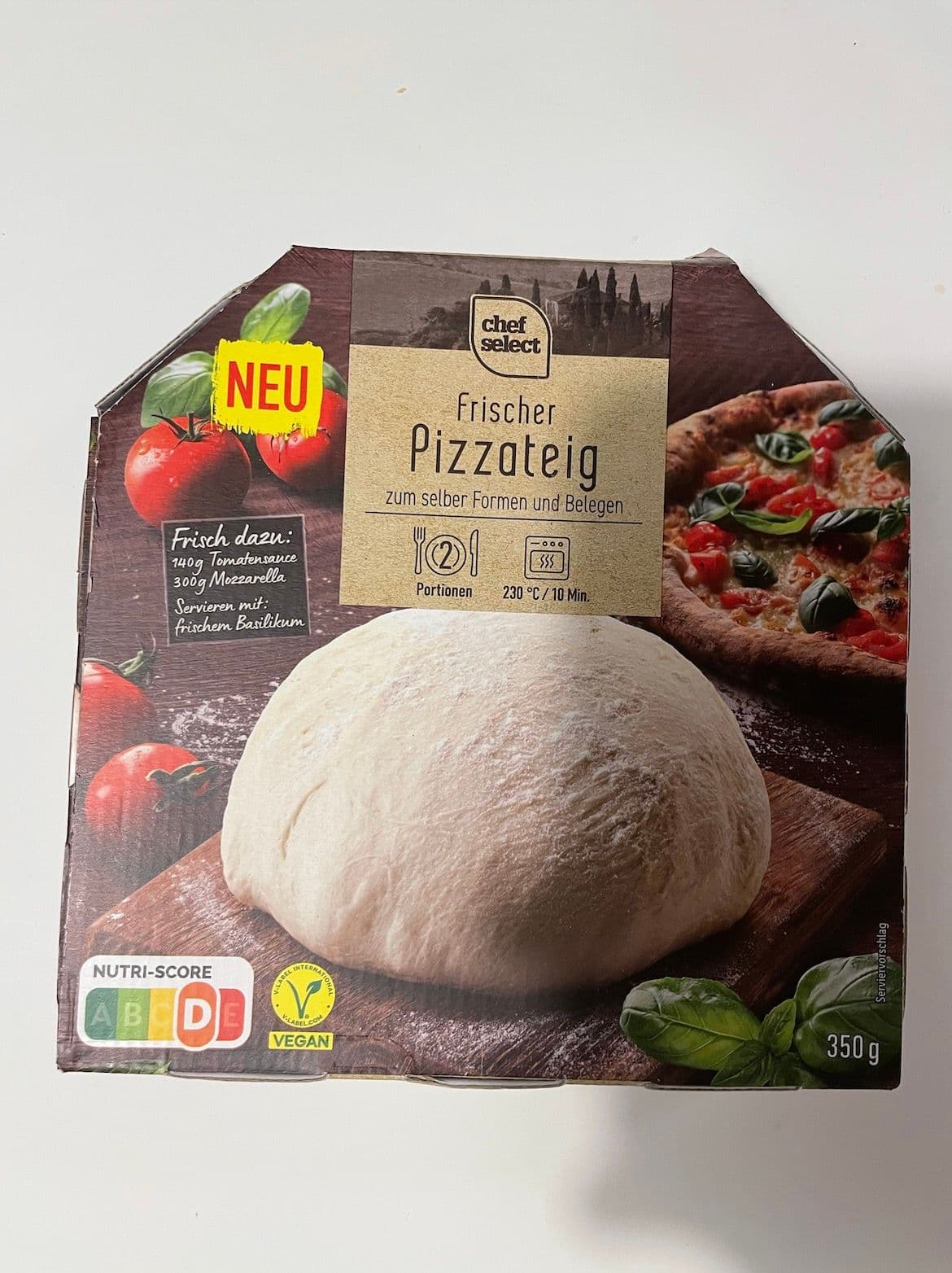
Ich habe diesen Pizzateig zum ersten Mal bei Lidl gekauft, und zu meiner Überraschung hat er hervorragend funktioniert, ...
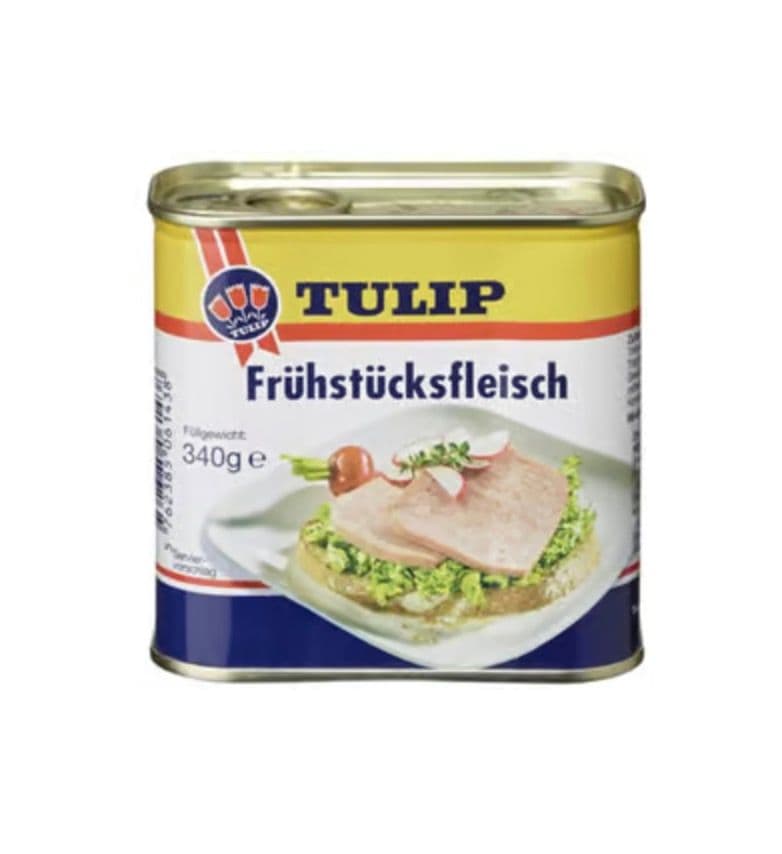
In Korea wird Spam hauptsächlich von CJ in Zusammenarbeit mit der amerikanischen Firma Hormel produziert und unter dem N...
Guk-Ganjang
Guk Ganjang ist eine koreanische Sojasauce, die vor allem für Suppen und viele traditionelle Gemüsegerichte verwendet wi...
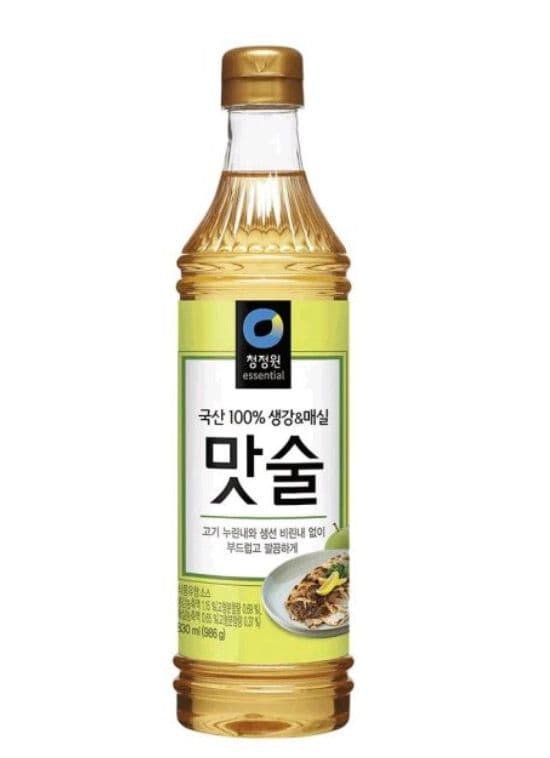
ähnlich dem Kochwein
Matsul (koreanischer Kochwein) ist eine unverzichtbare Zutat in der koreanischen Küche. Er wird häufig verwendet, um una...
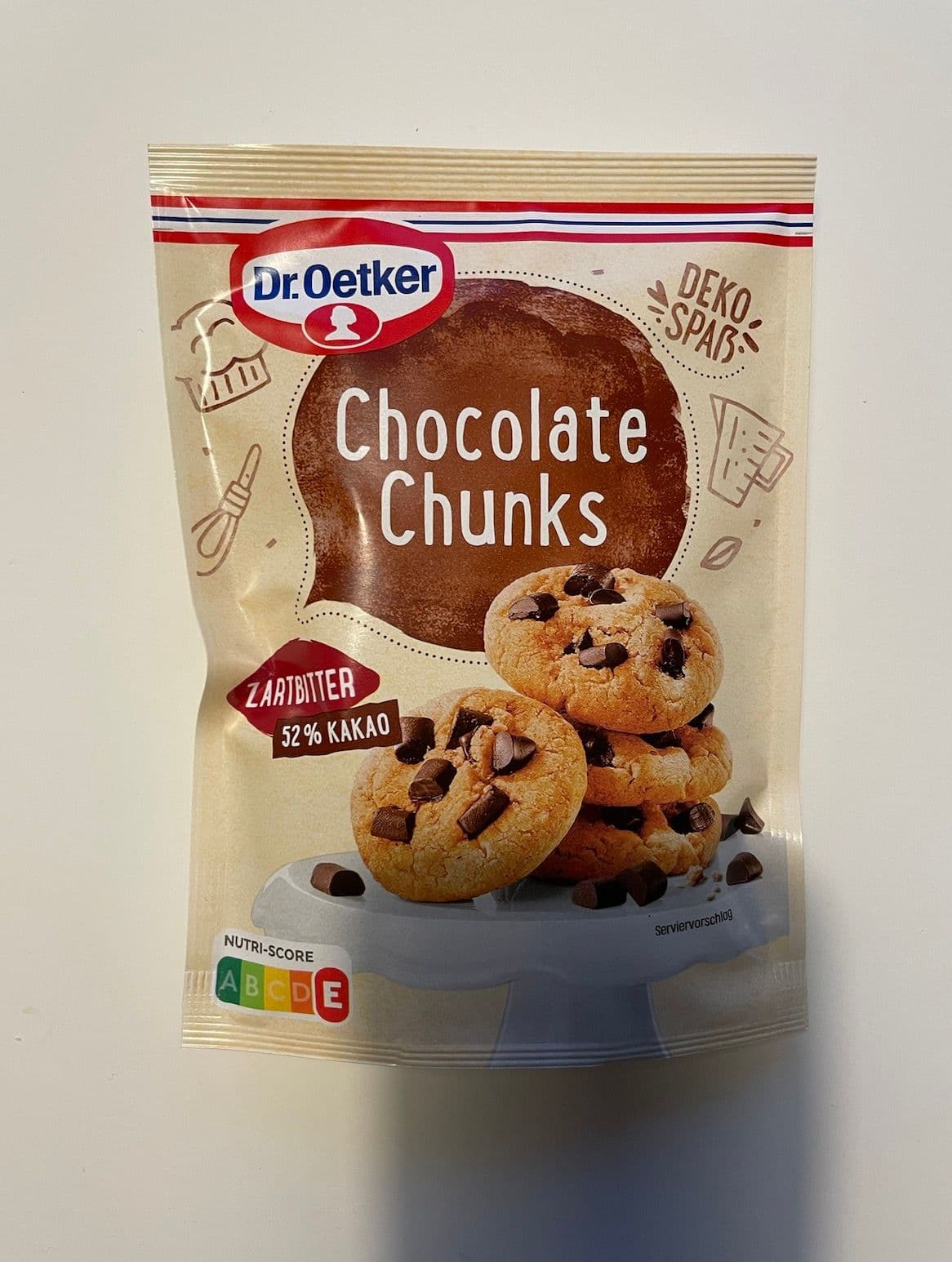
Für Schokoladenkekse passen Schokochips mit einem hohen Kakaoanteil besser. Ich verwende hauptsächlich dieses Produkt.
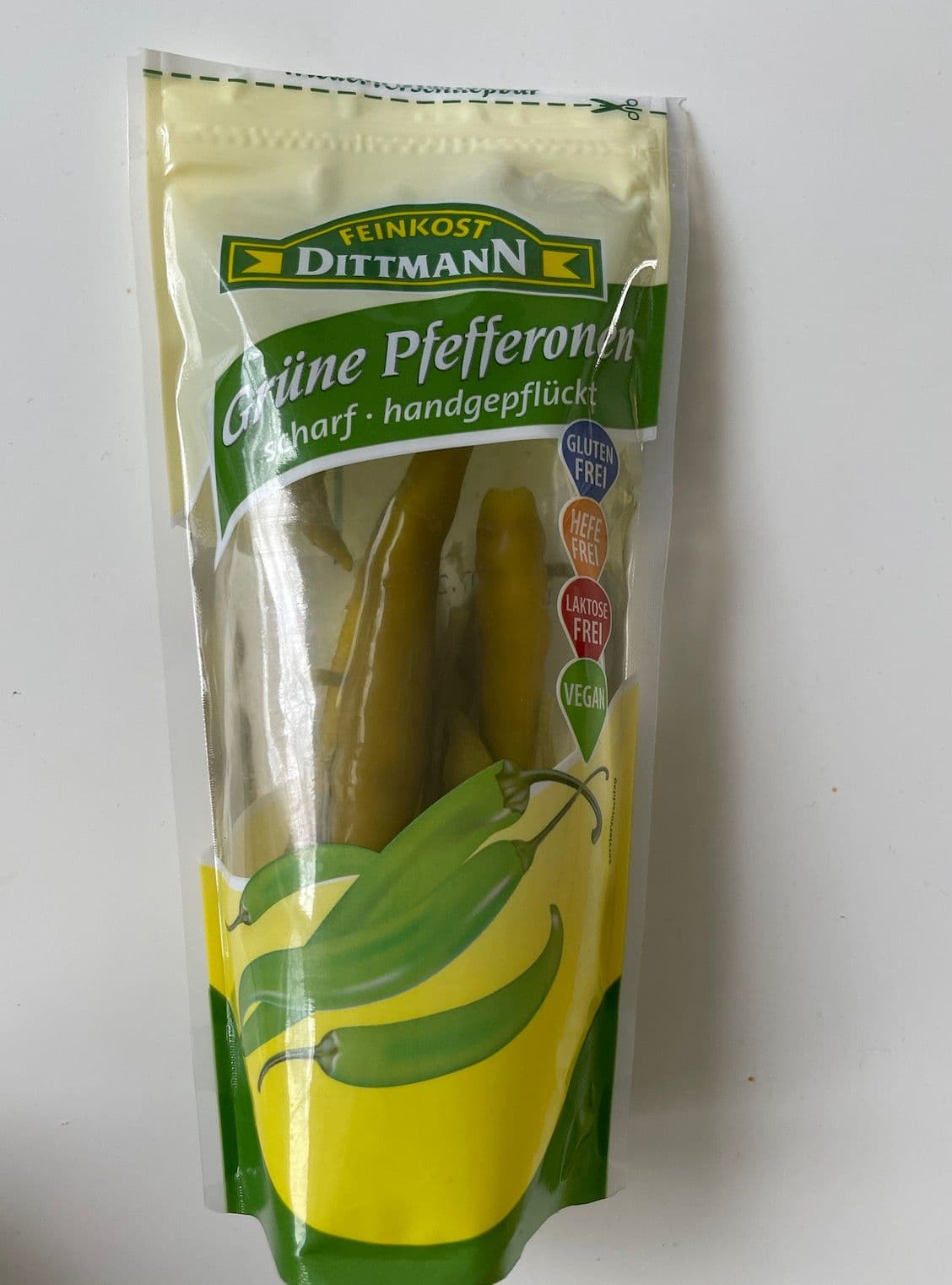
Man kann sie natürlich einfach so genießen, aber vor allem passt der scharfe Geschmack hervorragend zu koreanischen Geri...
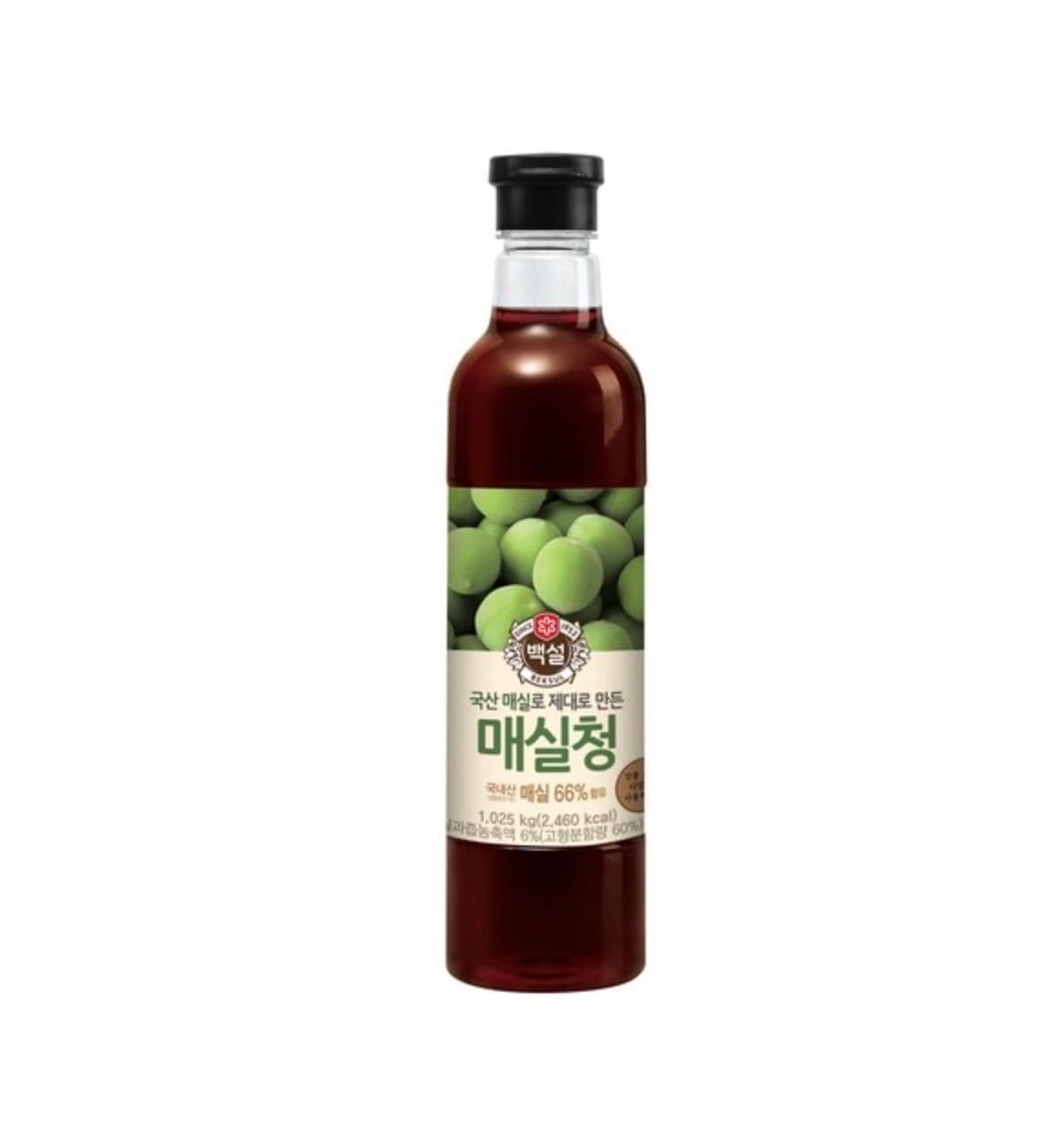
매실청
In Korea wird "Maesil" (grüne Pflaumen) häufig zur Herstellung von Maesil-Sirup verwendet, der in der Küche vielseitig e...
koreanische Chilipaste
Gochujang (고추장) ist eine dicke, fermentierte koreanische Chilipaste. Sie verbindet Schärfe, Süße und einen herzhaften Ge...
Sushi-Reis kann eine praktische Alternative sein, wenn koreanischer Rund- oder Mittelkornreis nicht leicht erhältlich is...
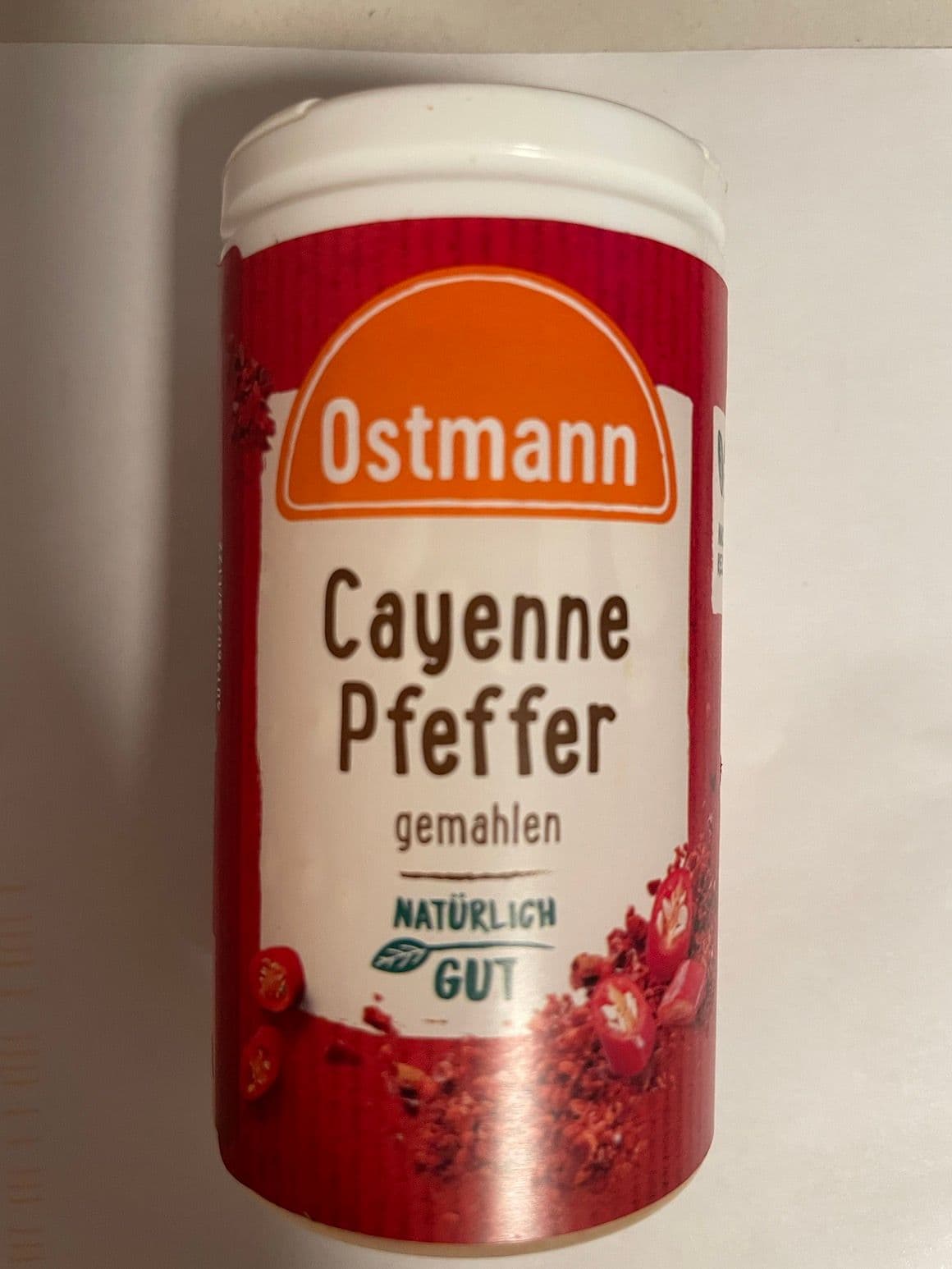
In der Realität können wir nicht immer koreanische Zutaten vorrätig haben, oder? Ich möchte ein Chilipulver vorstellen, ...
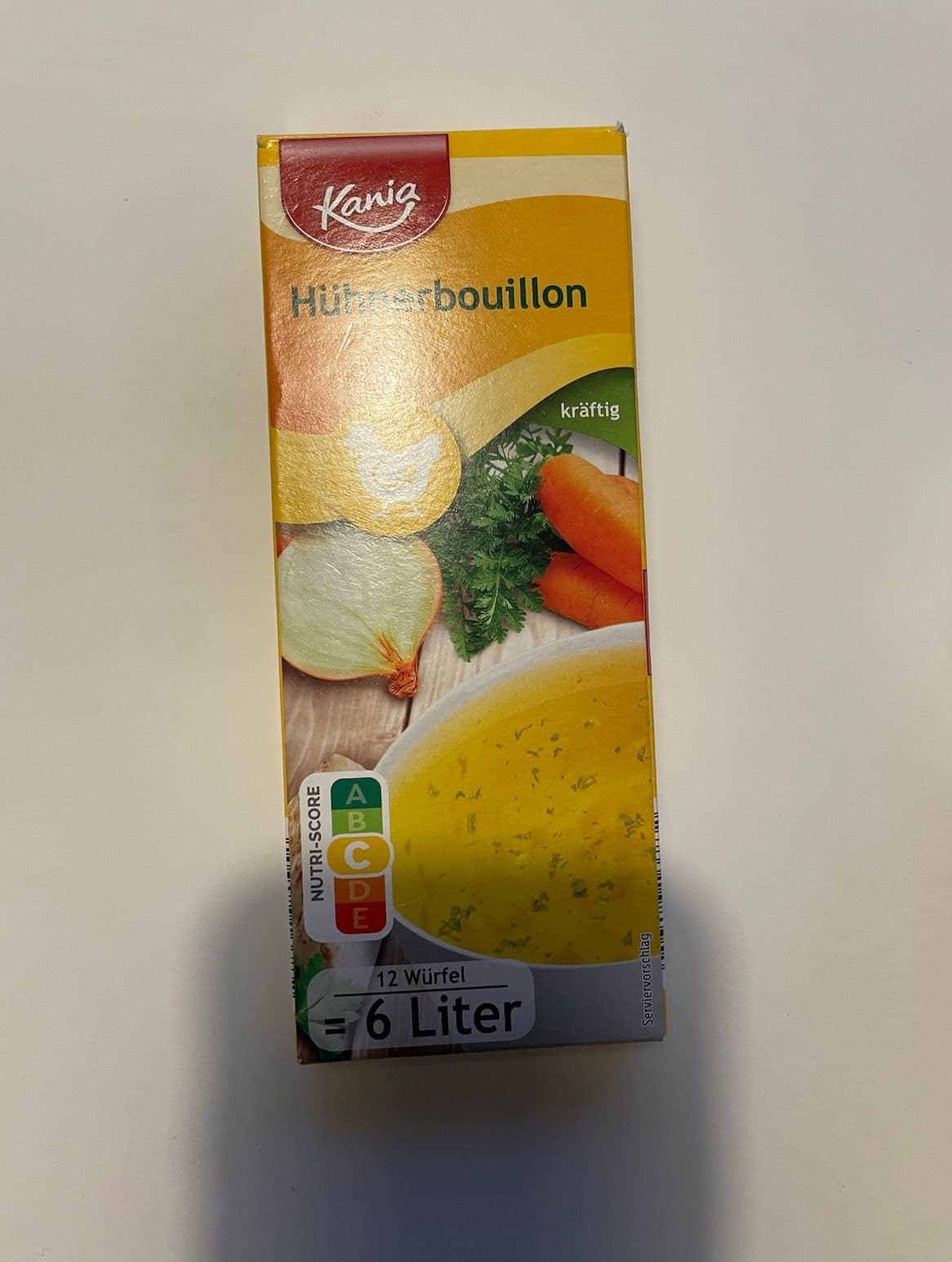
Ich finde, sie passt gut zur koreanischen Küche. Manche anderen Produkte haben einen starken Kurkuma- (Curry-) Geschmack...
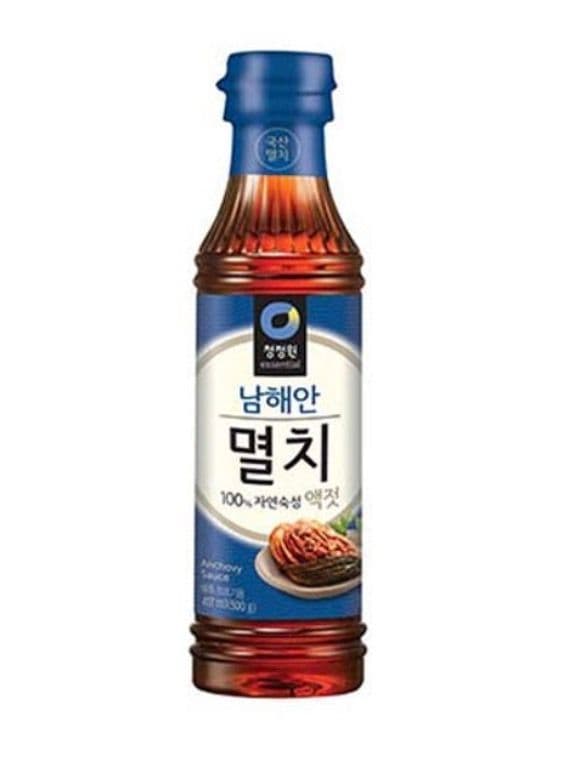
Sardellen-Fischsauce ist eine traditionelle koreanische Zutat, die durch Fermentieren von Sardellen mit Salz hergestellt...
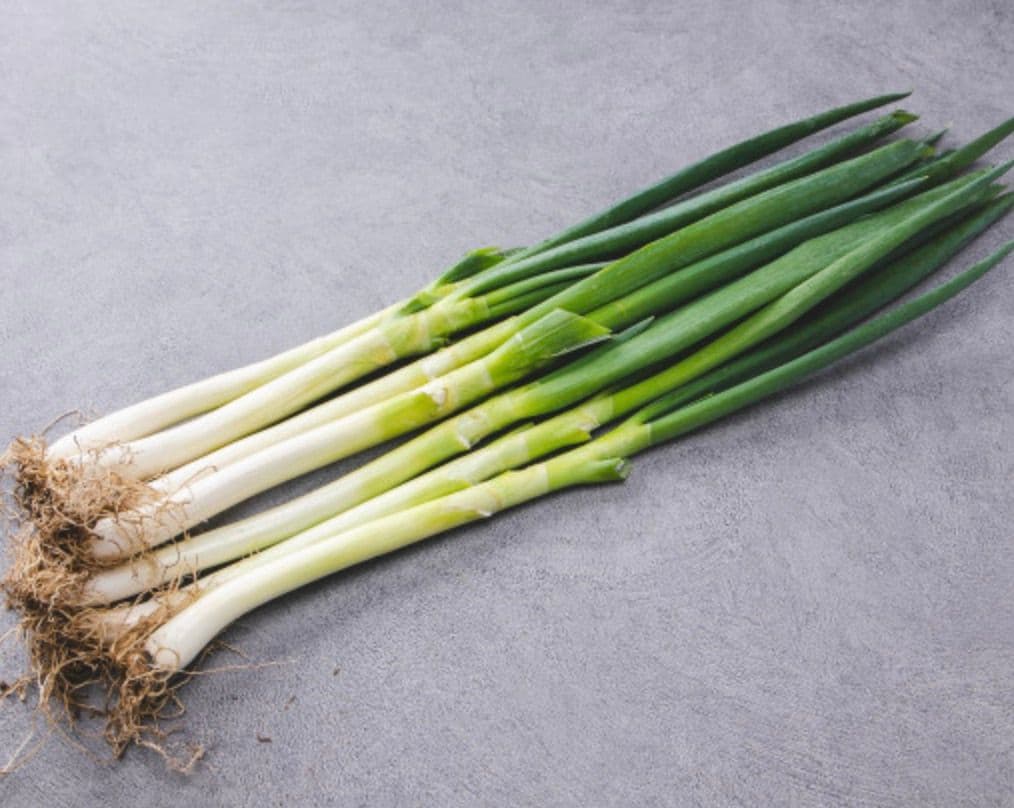
Lauchzwiebeln
Daepa (대파) ist eine häufig verwendete Zutat in der koreanischen Küche. Sie gibt Suppen, Eintöpfen, Pfannengerichten und ...
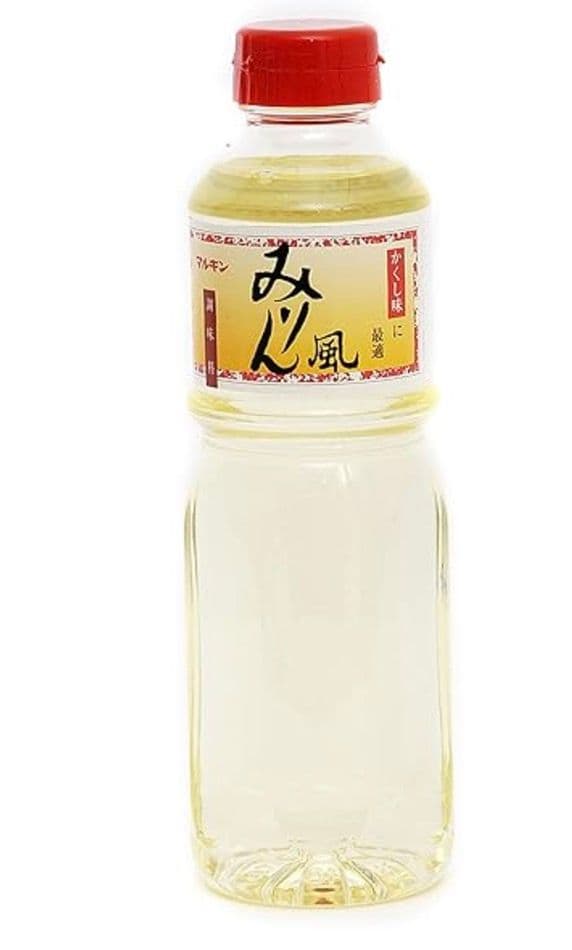
Dieses Produkt ist in Deutschland ziemlich leicht zu finden: Mirin Marukin aus Japan. Es kann als Ersatz für koreanische...
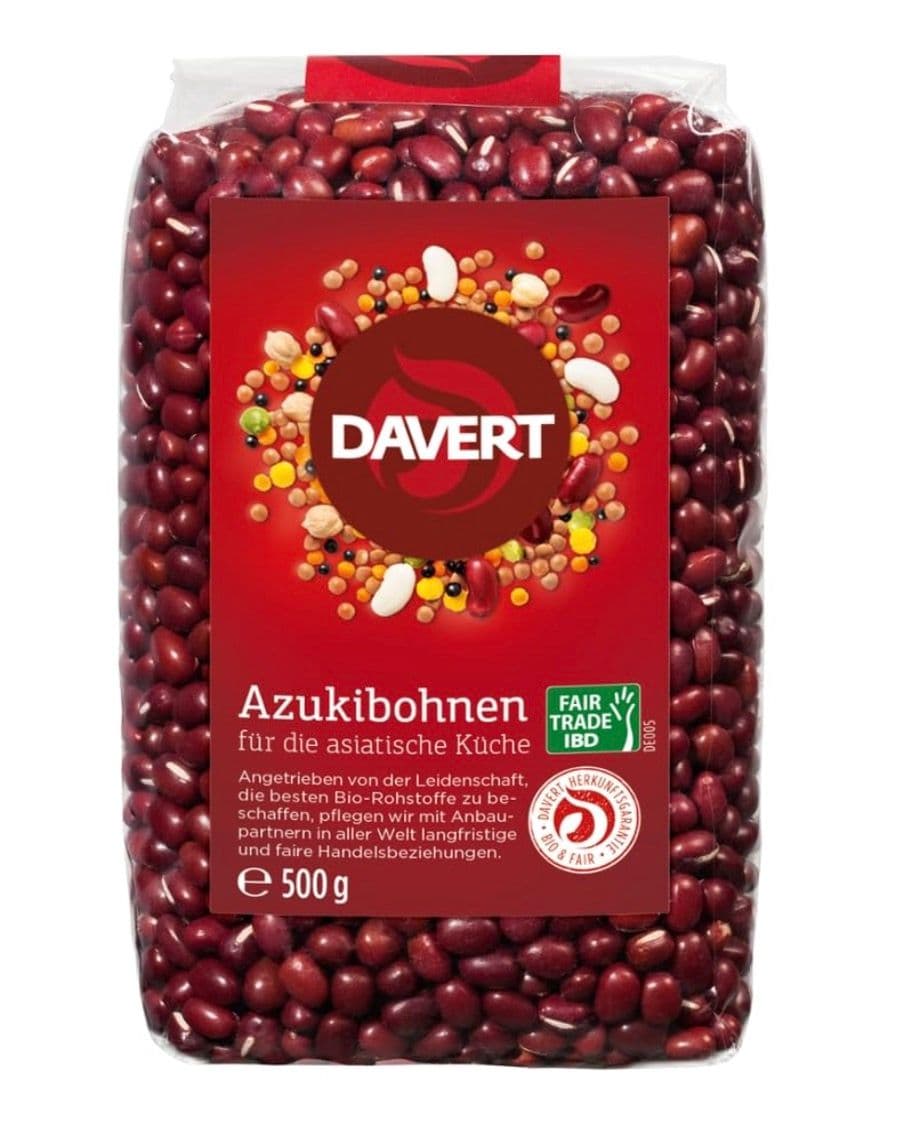
Azuki-Bohnen sind normalerweise bei Edeka, Rewe und Amazon erhältlich. Substitute: Wenn Azuki-Bohnen nicht erhältlich si...
Korean Chilipulver
Gochugaru (koreanisches Chilipulver) ist etwas schwieriger zu beschaffen, denn in Korea bevorzugt man oft das Chilipulve...
참기름
Ottogi Sesamöl ist ebenfalls ein Sesamöl, das von vielen Koreanern häufig verwendet wird. In Korea wird Sesamöl oft dire...
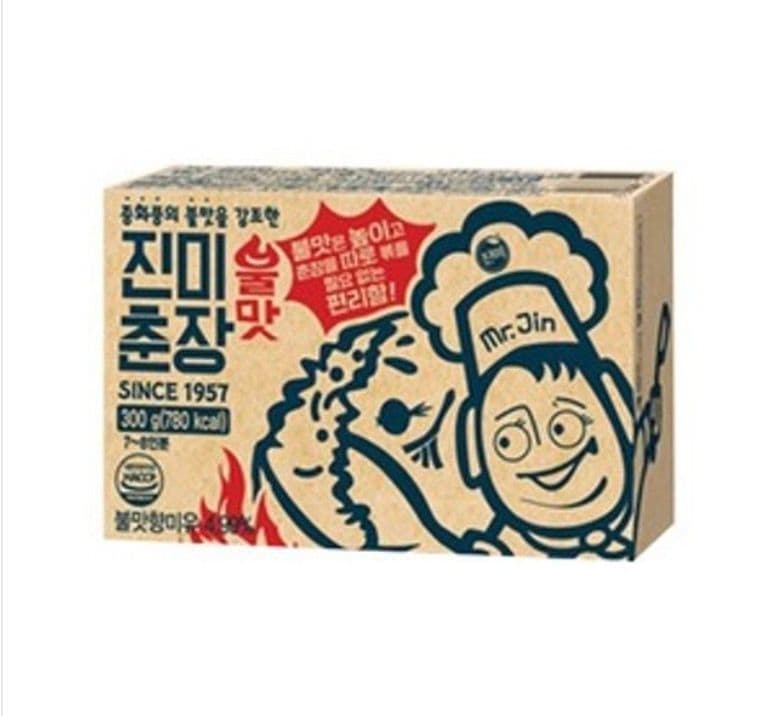
Schwarze Bohnenpaste, 춘장
Chunjang (춘장) ist eine dunkle koreanische Bohnenpaste und die wichtigste Würzgrundlage für Jjajangmyeon und koreanische ...
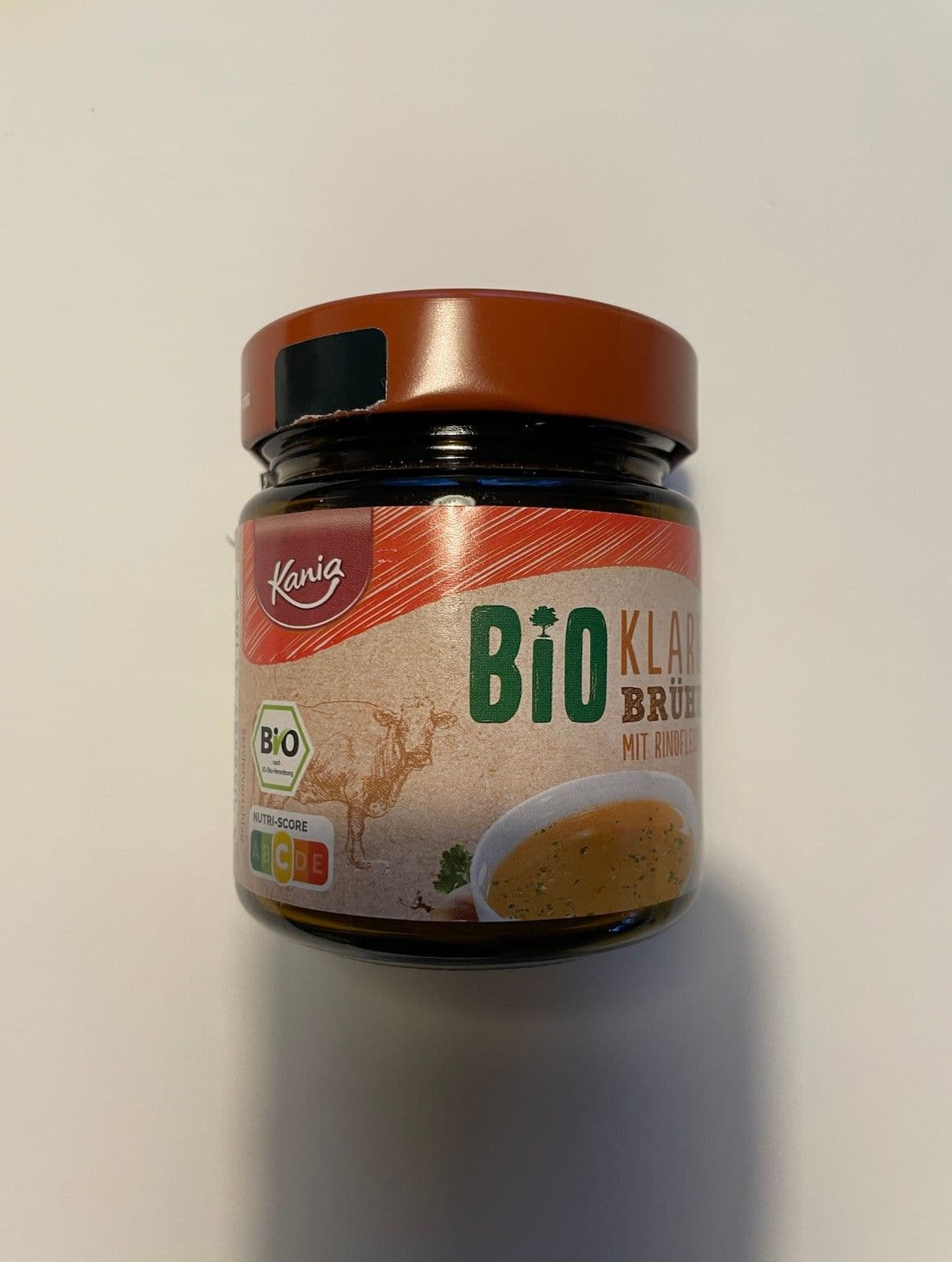
In der koreanischen Küche werden oft Rinderbrühe oder Sagol-Gomtang (Rinderknochensuppe) verwendet. Natürlich sollte man...
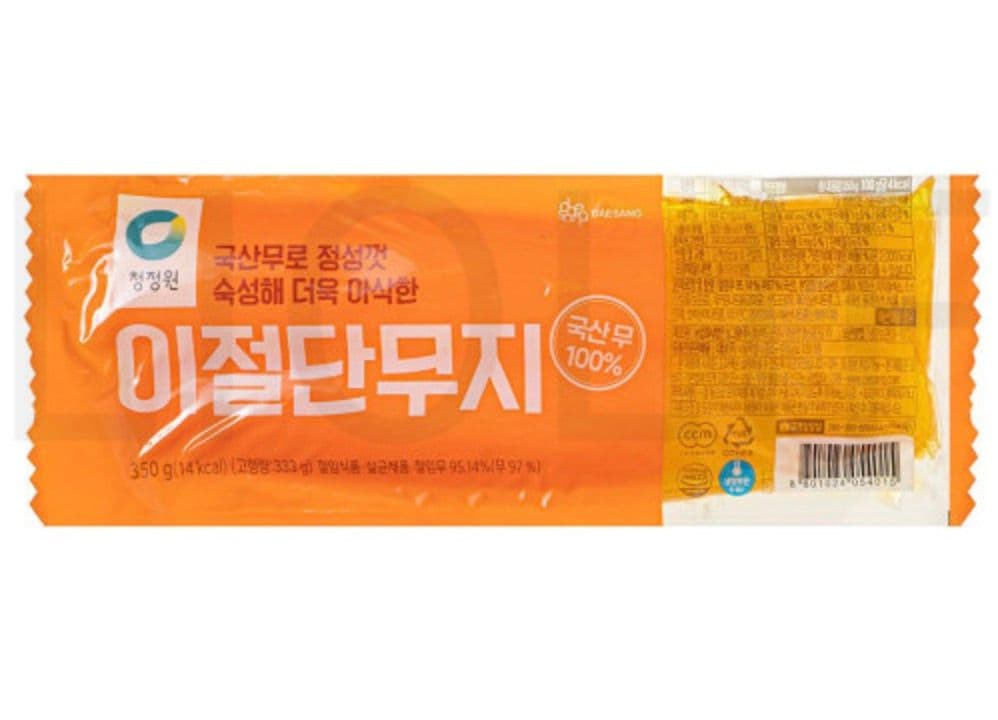
eingelegter Rettich
Danmuji (단무지) ist ein koreanischer eingelegter Rettich mit einem knackigen Biss und einem süß-säuerlichen Geschmack. Bes...
Jin-Ganjang
In Korea gibt es verschiedene Arten von Sojasauce. Jin Ganjang ist eine der wichtigsten Sojasaucen für gekochte Gerichte...
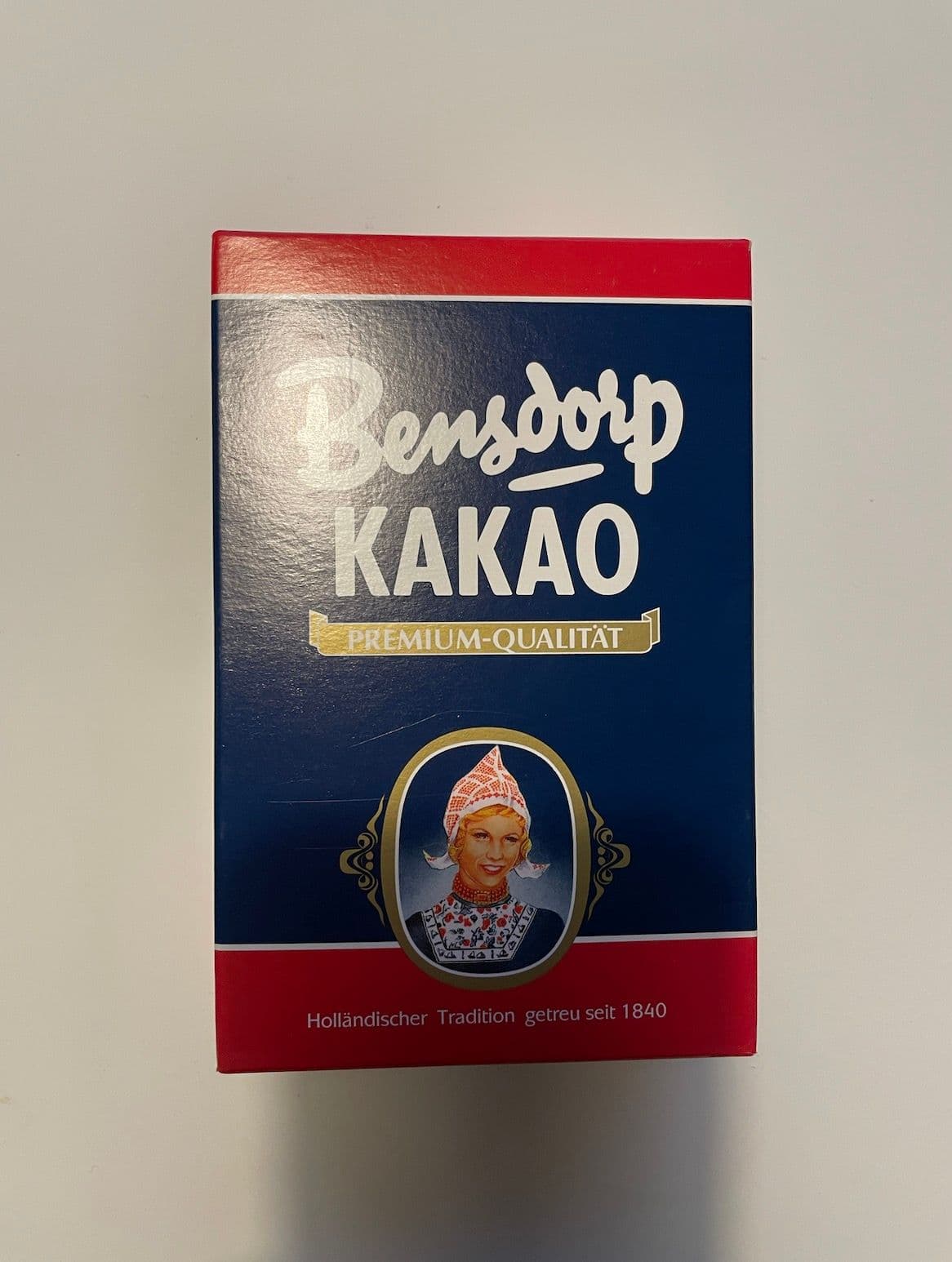
Tatsächlich gibt es auch andere Kakaopulver-Produkte, aber ich verwende hauptsächlich diese Marke.
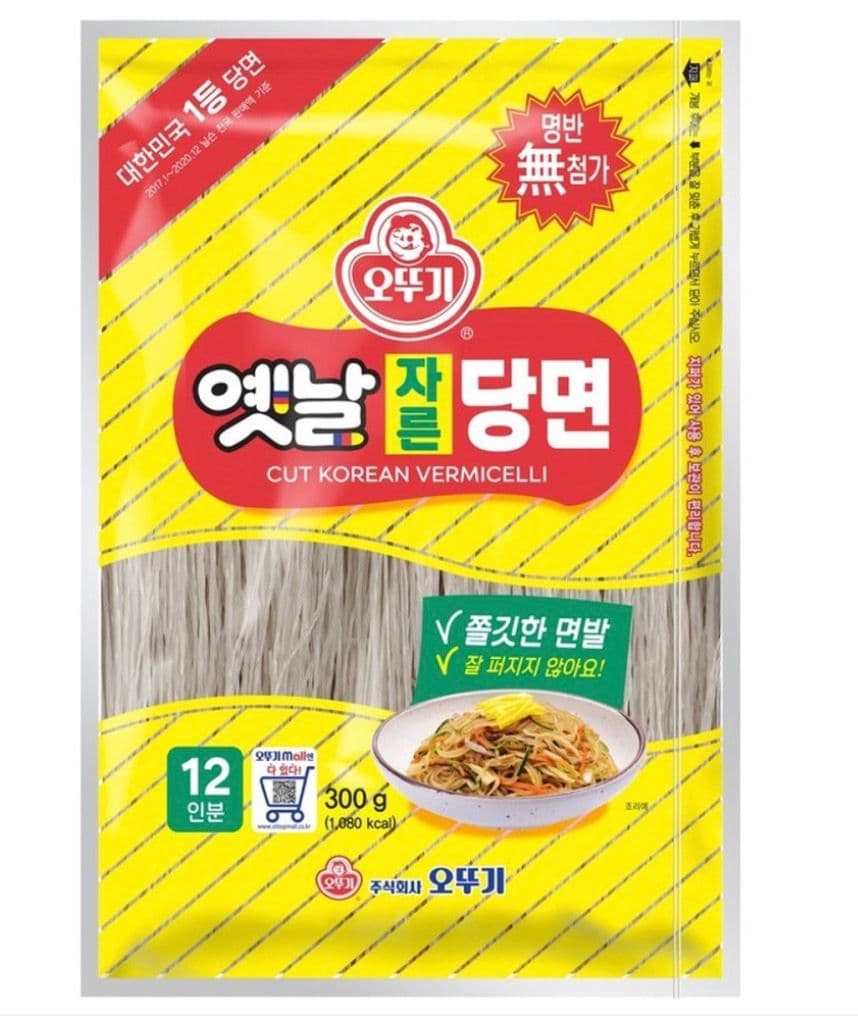
Dangmyeon (koreanische Glasnudeln) findet man ebenfalls häufig bei Go Asia oder in anderen Asiamärkten. Es gibt zwar auc...
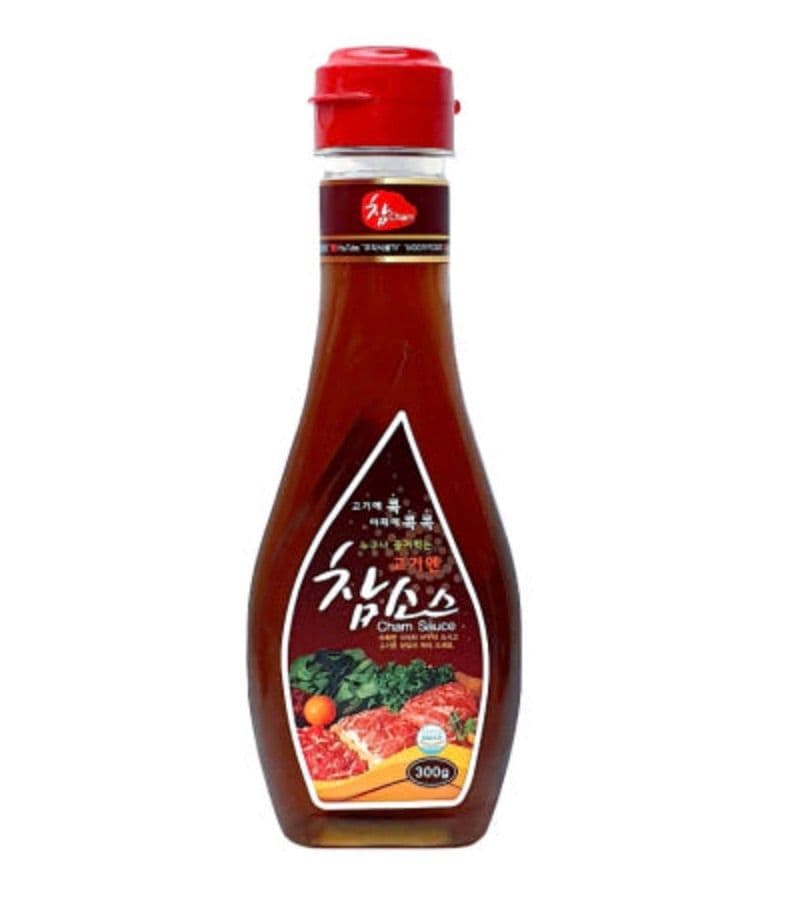
참소스
Chamsauce ist eine Sauce, die ursprünglich hauptsächlich in Koreanischen BBQ-Restaurants serviert wurde. Diese Sauce war...
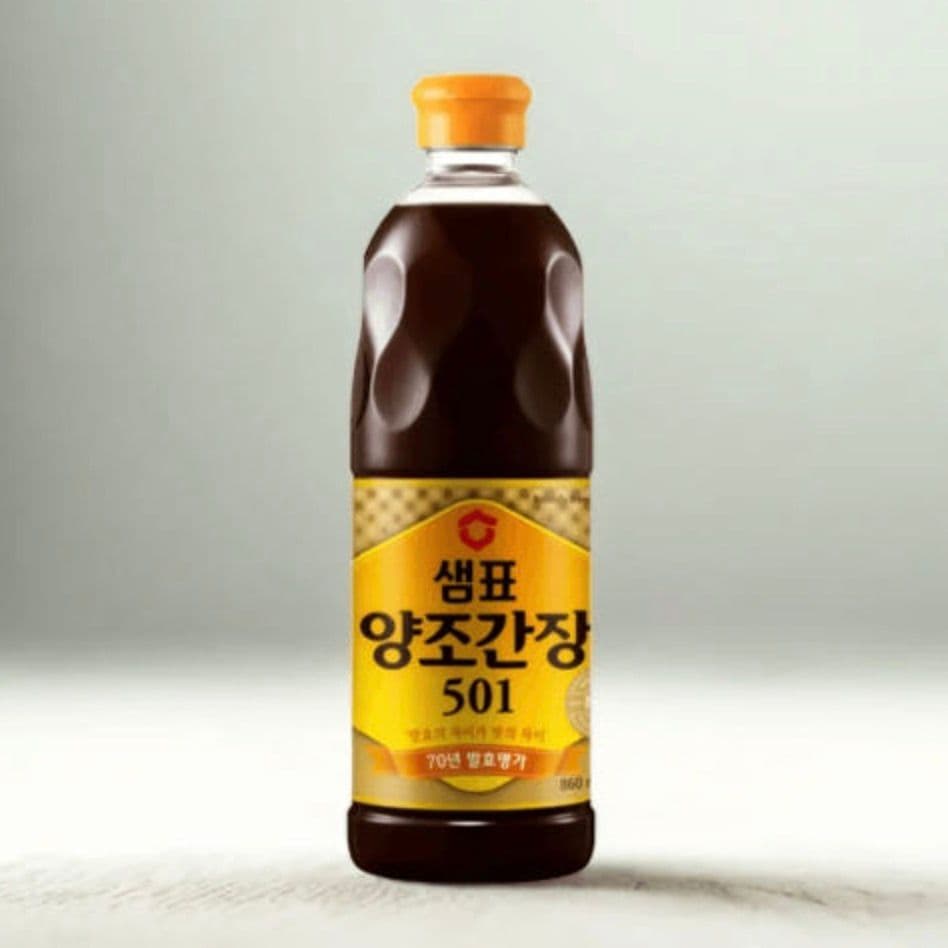
Gebraute Sojasoße, 양조간장
Yangjo Ganjang ist eine der Sojasoßenarten, die in der koreanischen Küche verwendet werden. Beim Kauf von Sojasoße kann ...
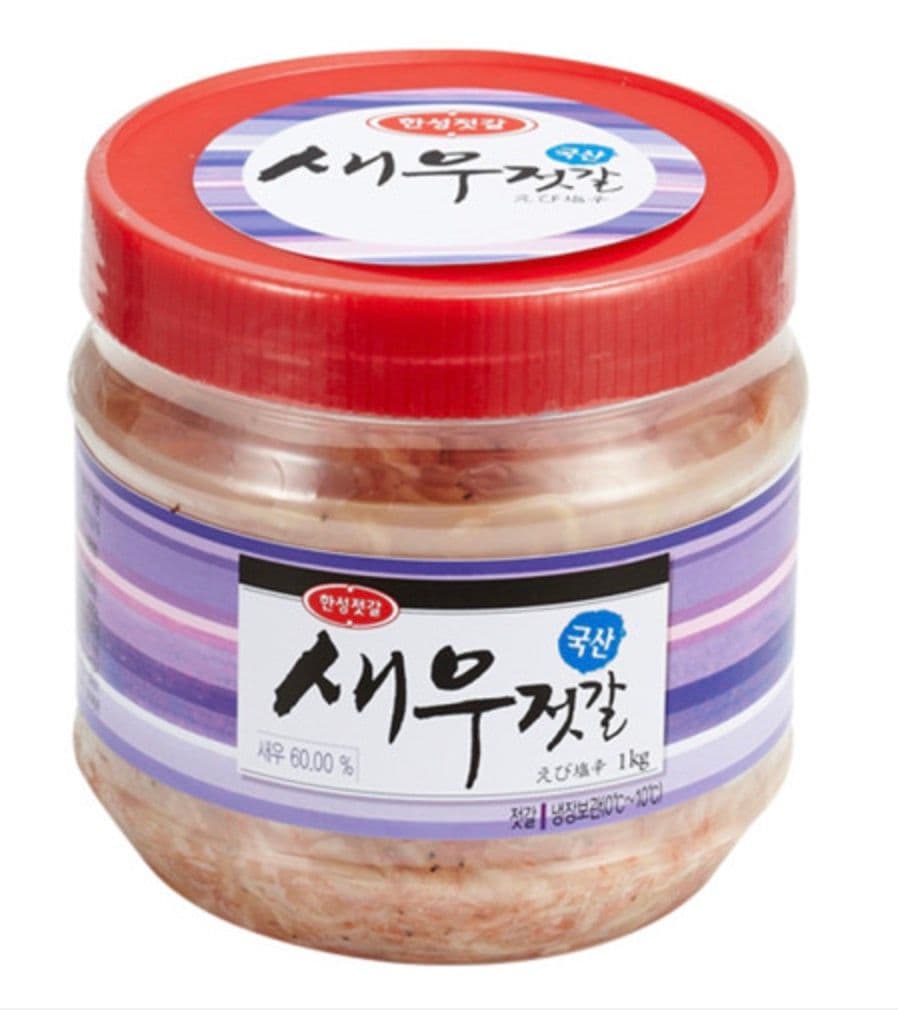
Salzgarnele
Saeu-jeot (새우젓) ist eine traditionelle koreanische Zutat aus kleinen Garnelen, die mit Salz fermentiert werden. Sie hat ...
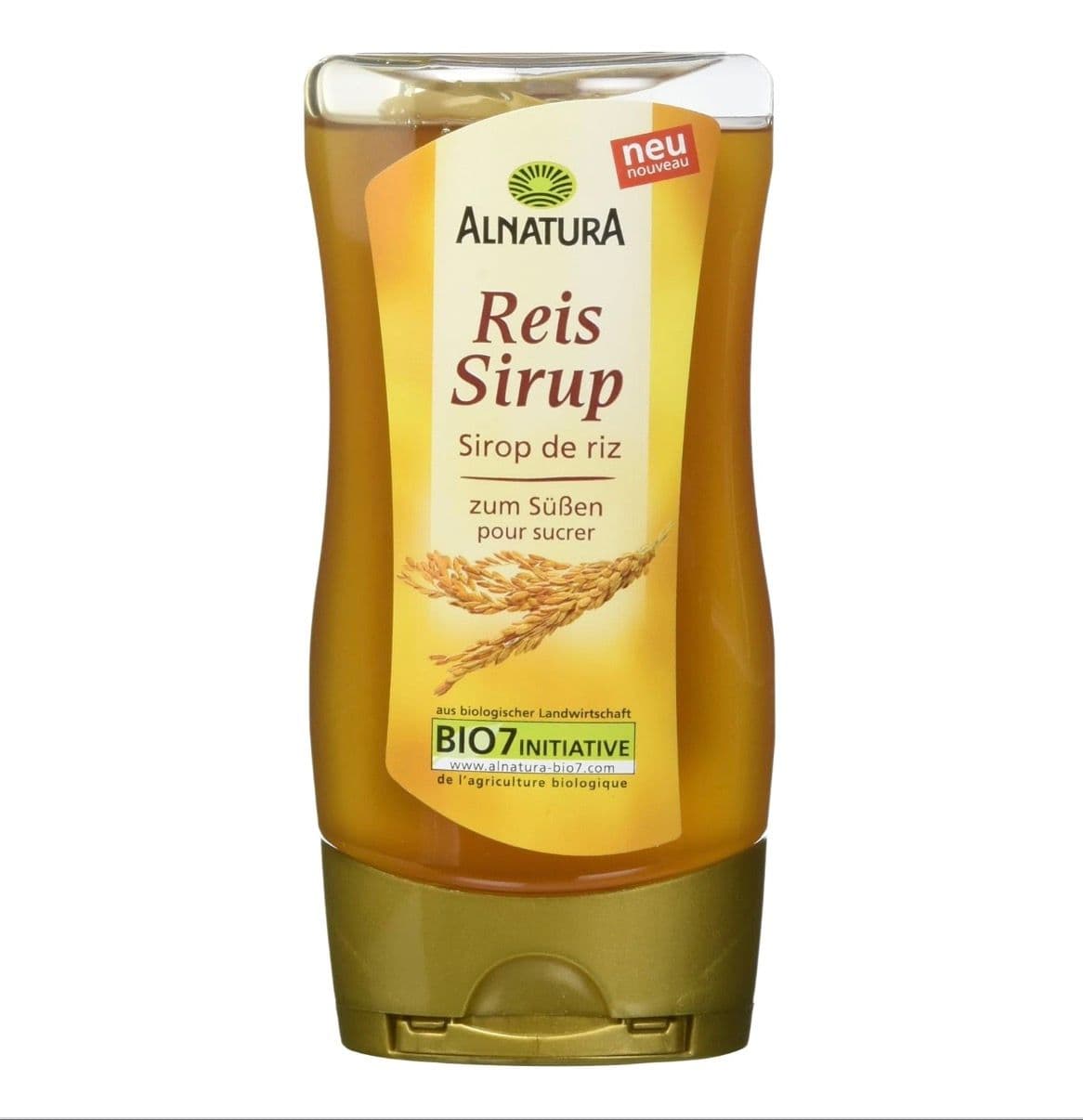
In koreanischen Märkten wird auch "koreanischer Maissirup" verkauft, aber ich kaufe oft den "Alnatura Bio Reissirup," da...
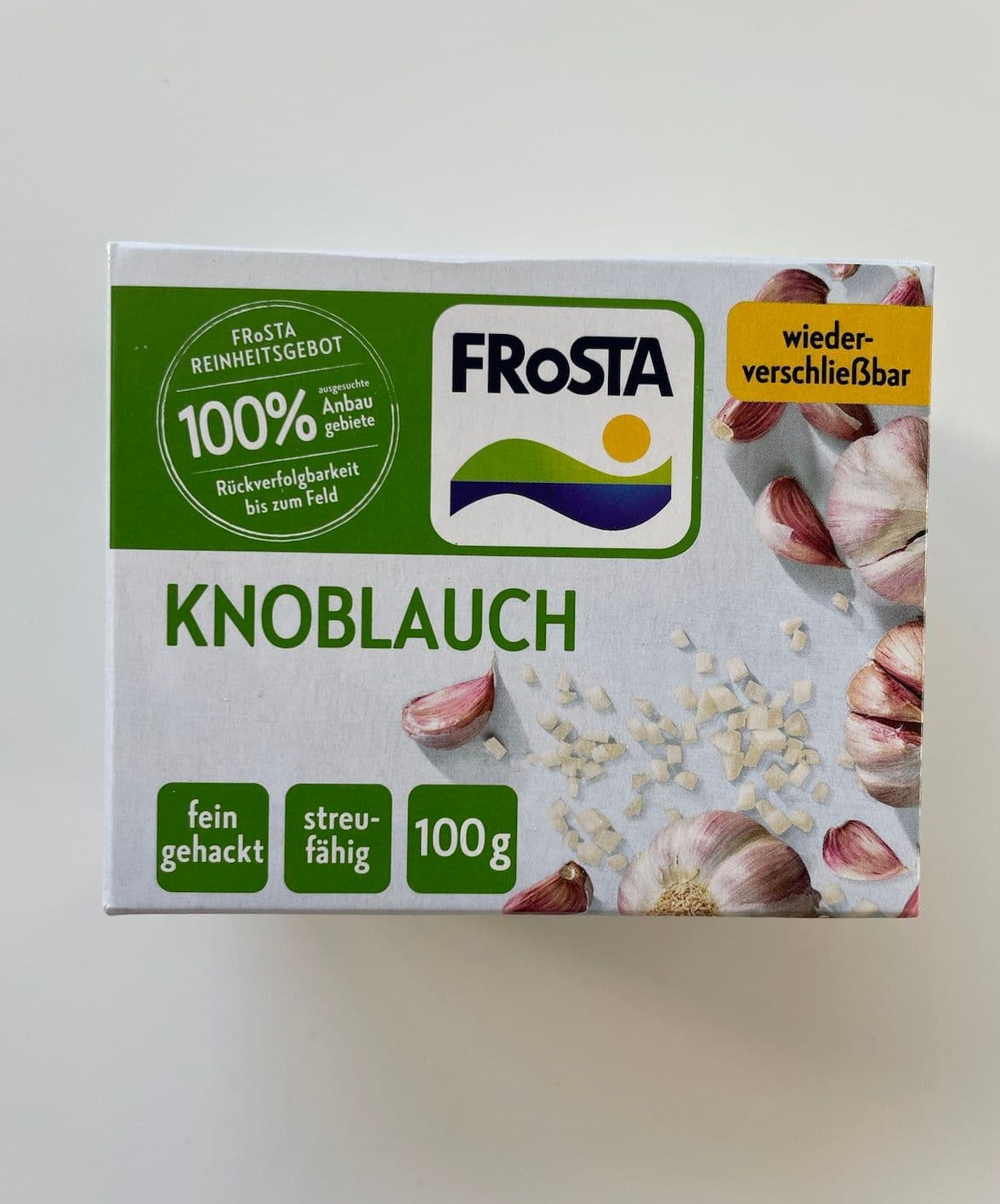
Gehackter Knoblauch gehört zu den am häufigsten verwendeten Würzzutaten der koreanischen Küche. Auf Koreanisch heißt er ...
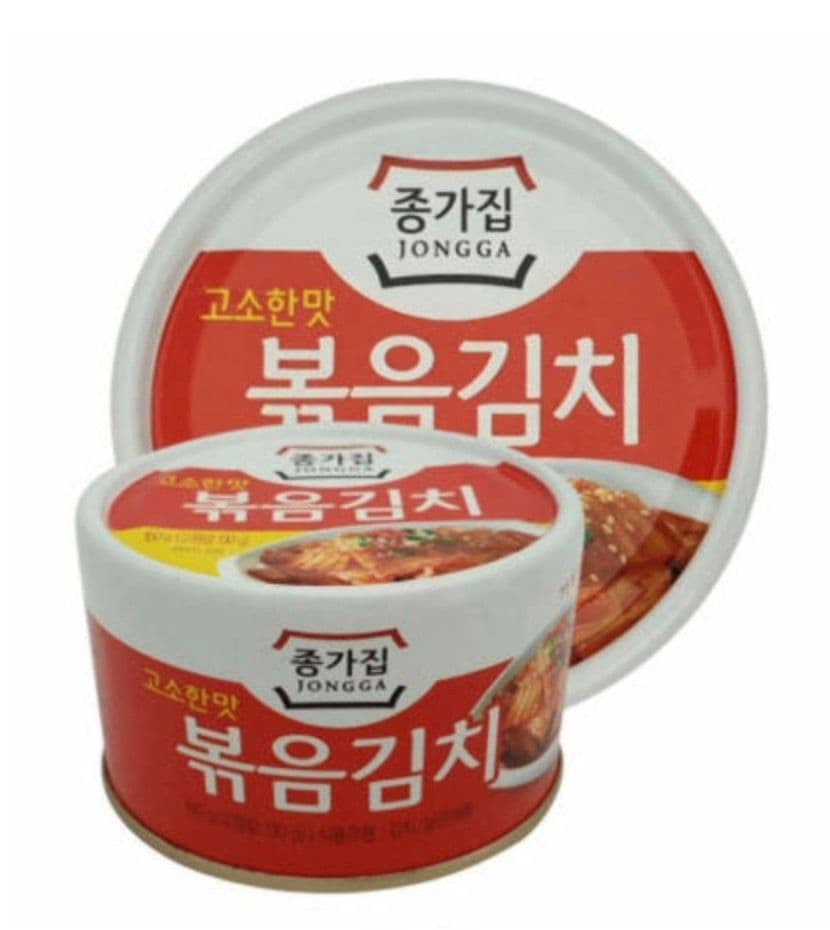
김치볶음
Wenn ich wirklich keine Lust habe zu kochen, ist dieses Kimchi-Stir-Fry mein Retter! Mit einem Spiegelei dazu (und wenn ...
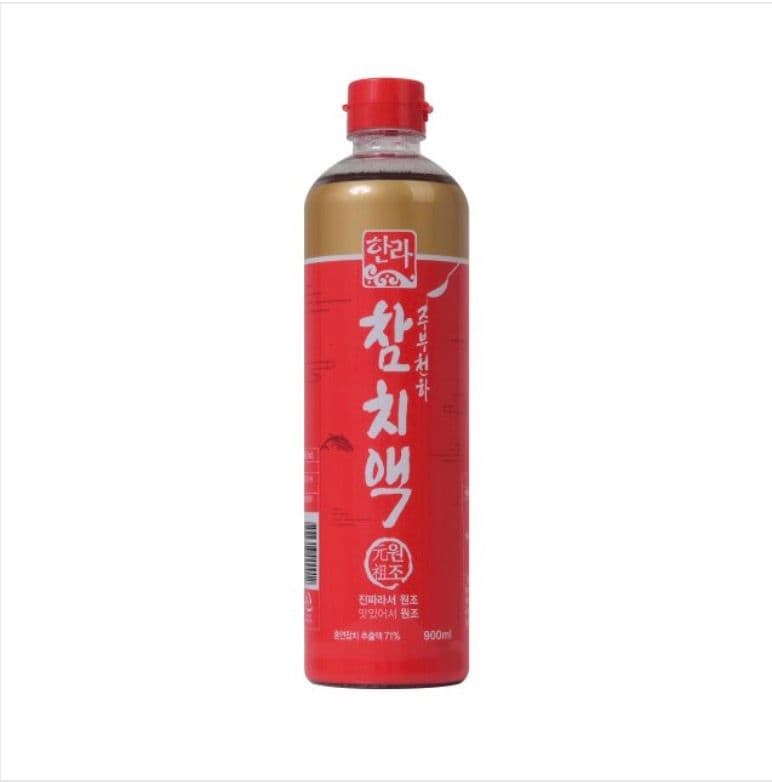
참치액젓
Thunfischsauce ist eine traditionelle koreanische Würze, die durch Fermentieren von Thunfisch mit Salz hergestellt wird....
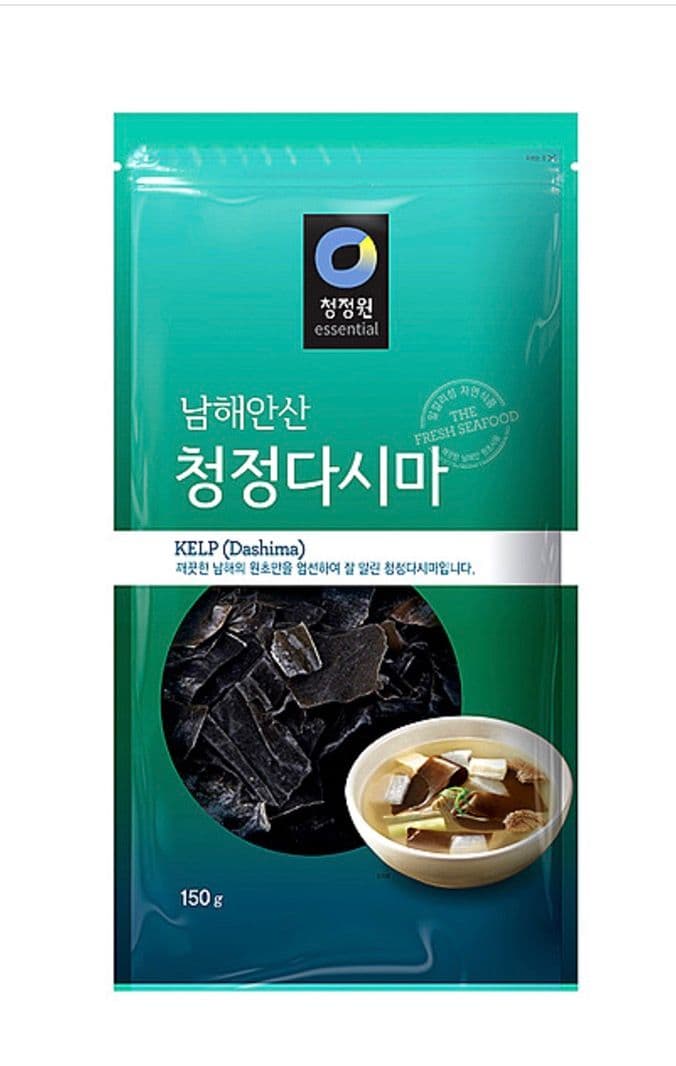
Dashima
Dashima (다시마) ist getrockneter Seetang, der in der koreanischen Küche vor allem zum Aromatisieren von Brühen verwendet w...
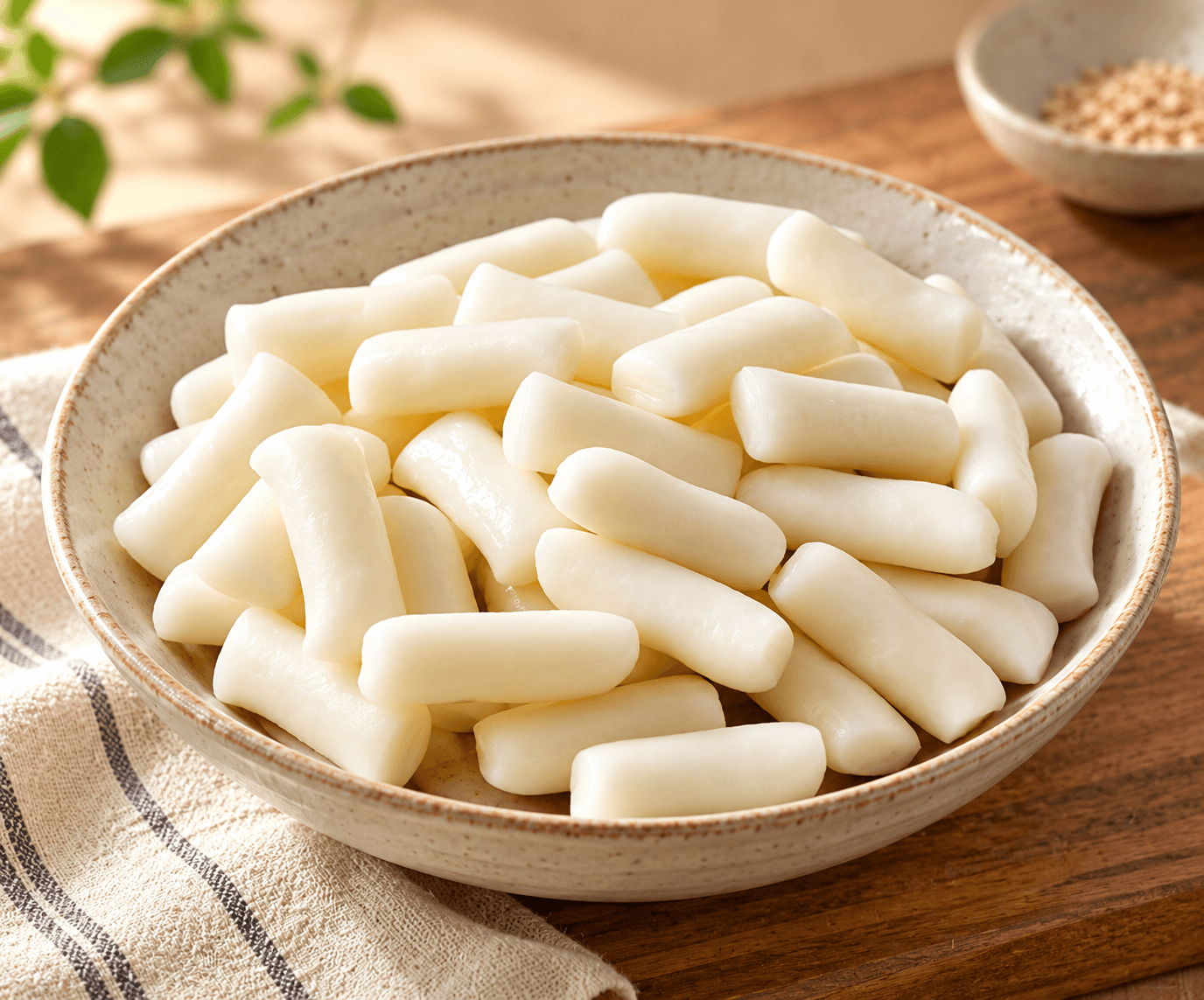
Tteokbokki-Tteok (떡볶이 떡) sind die puren, bissfesten koreanischen Reiskuchen-Stäbchen für Tteokbokki. Beim Garen werden s...
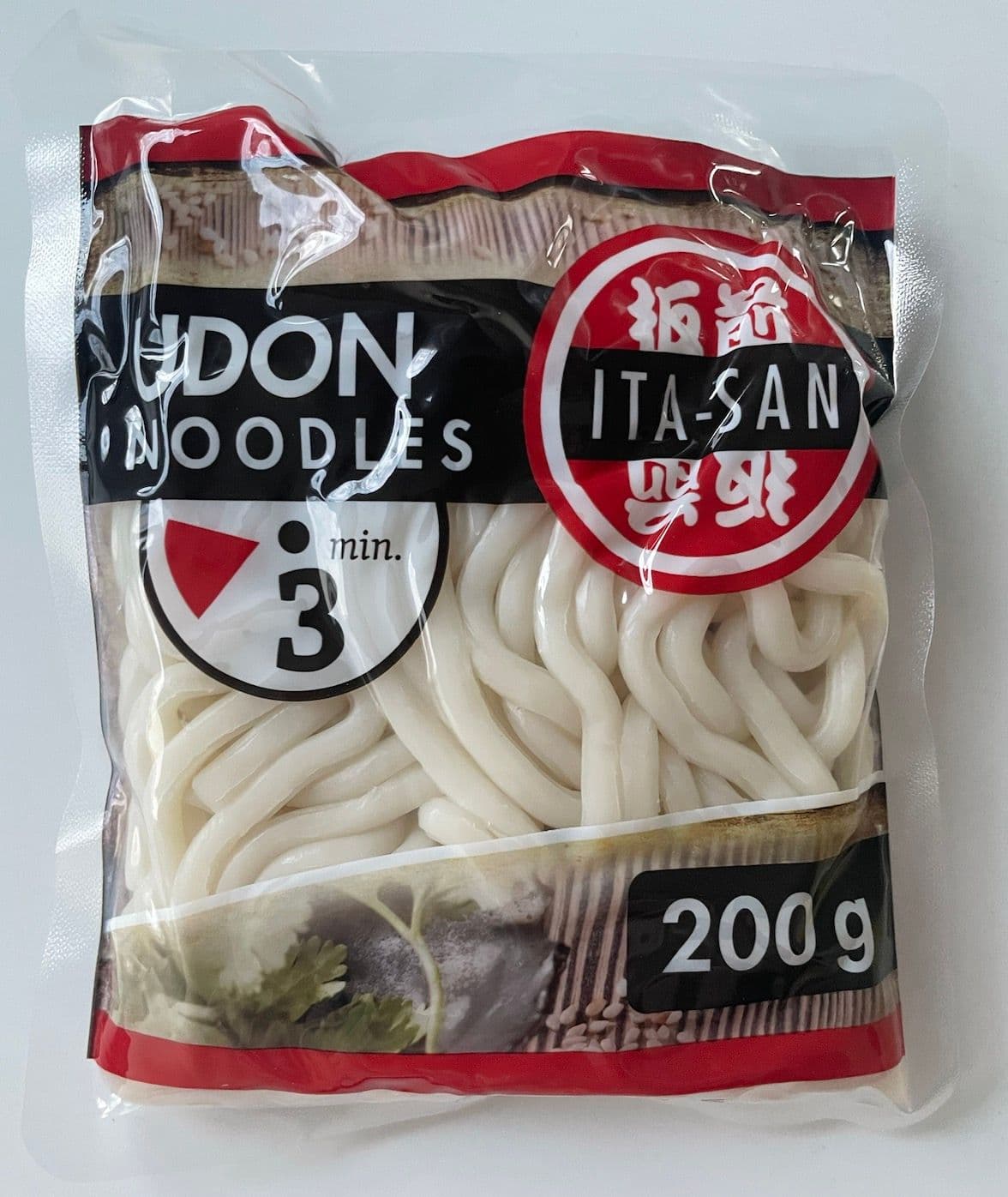
Ich verwende normalerweise die Udon-Nudeln dieser Marke . Gefrorene Udon-Nudeln vermeide ich, da das Auftauen Zeit in An...
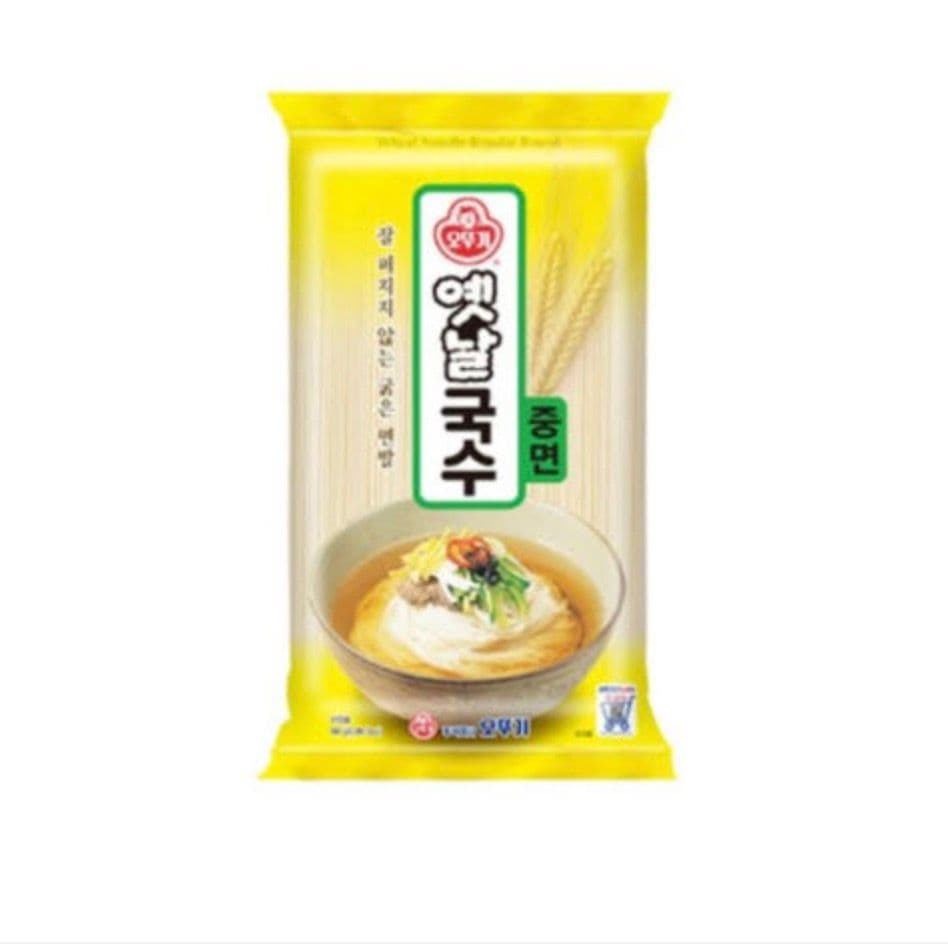
Mittlere Nudeln, 중면
Somen und Jungmyeon sind zwei häufig verwendete Nudelsorten in der koreanischen Küche. Somen ist dünn und schnell zuzube...
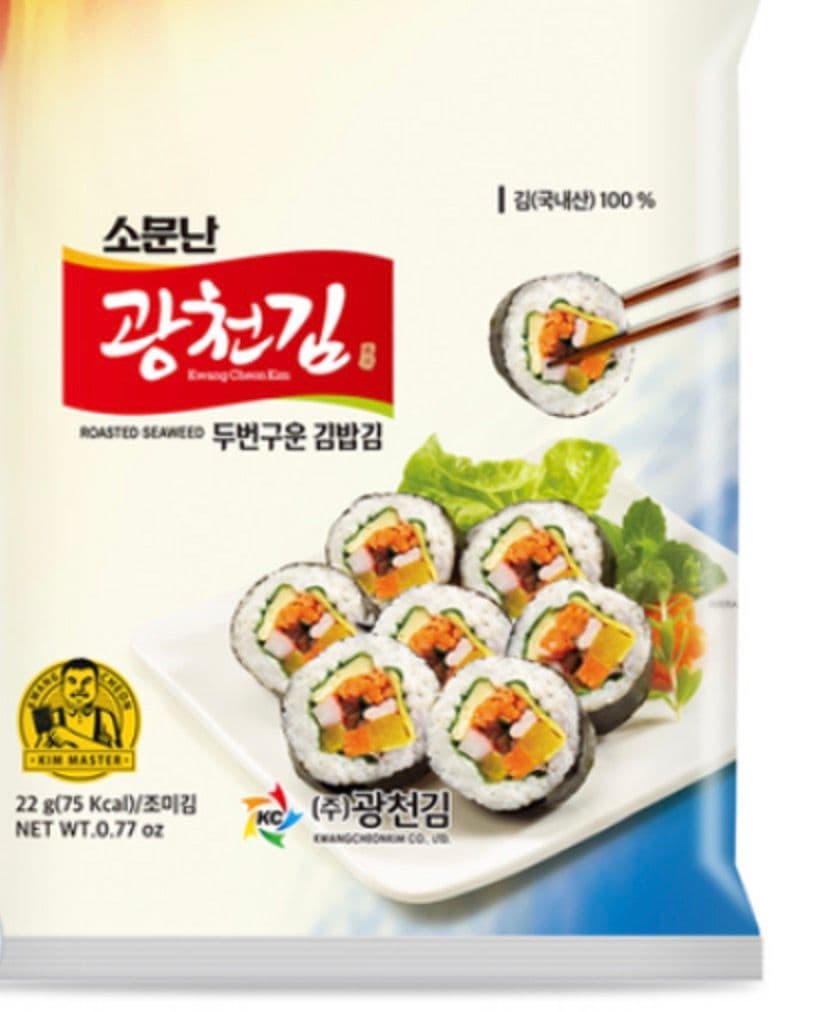
Gim
In asiatischen oder koreanischen Märkten in Deutschland kann man oft Kimbap-Seetang von Marken wie Chung Jung One und Gw...
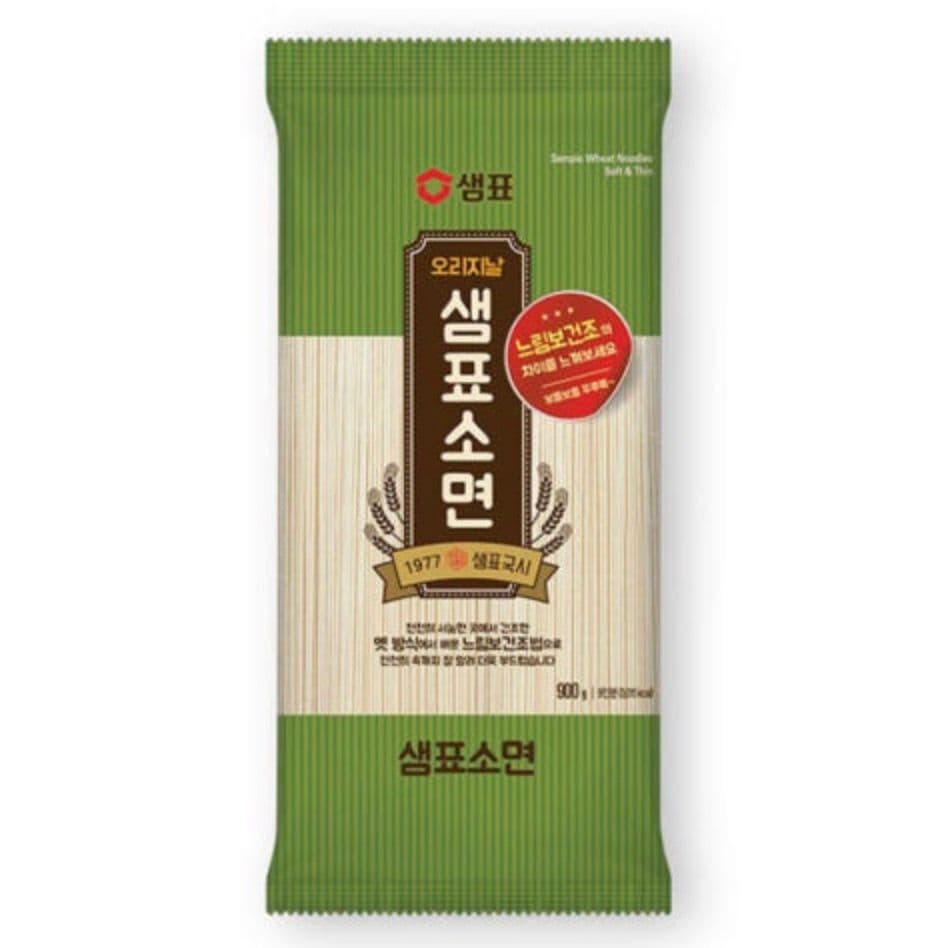
Koreanische Dünne Nudeln, 소면
Somen und Jungmyeon sind zwei häufig verwendete Nudelsorten in der koreanischen Küche. Somen ist dünn und schnell zuzube...
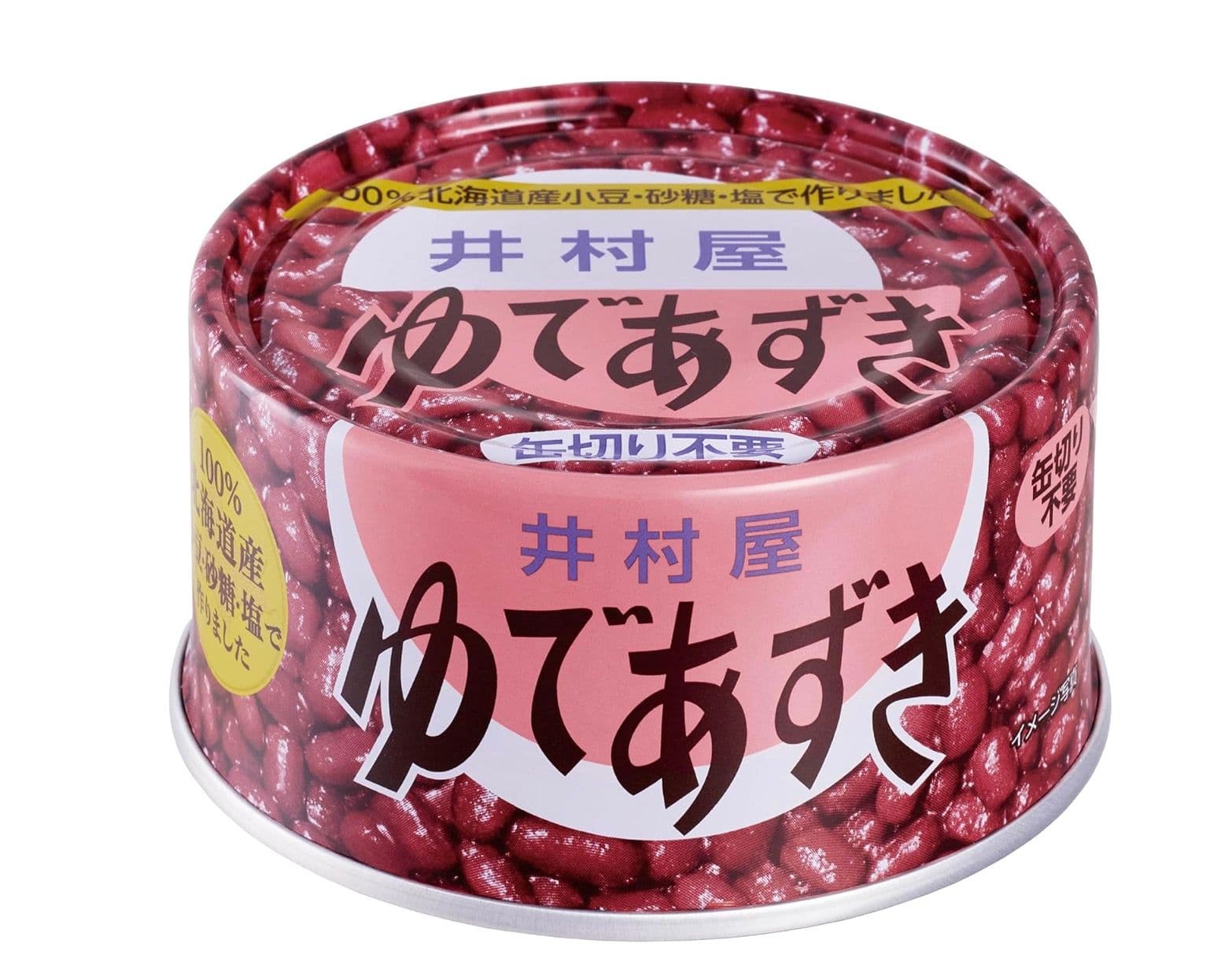
Süße Azuki-Bohnenpaste ist eine Füllung aus gekochten Azukibohnen und Zucker. Sie wird auch als Anko oder süße rote Bohn...
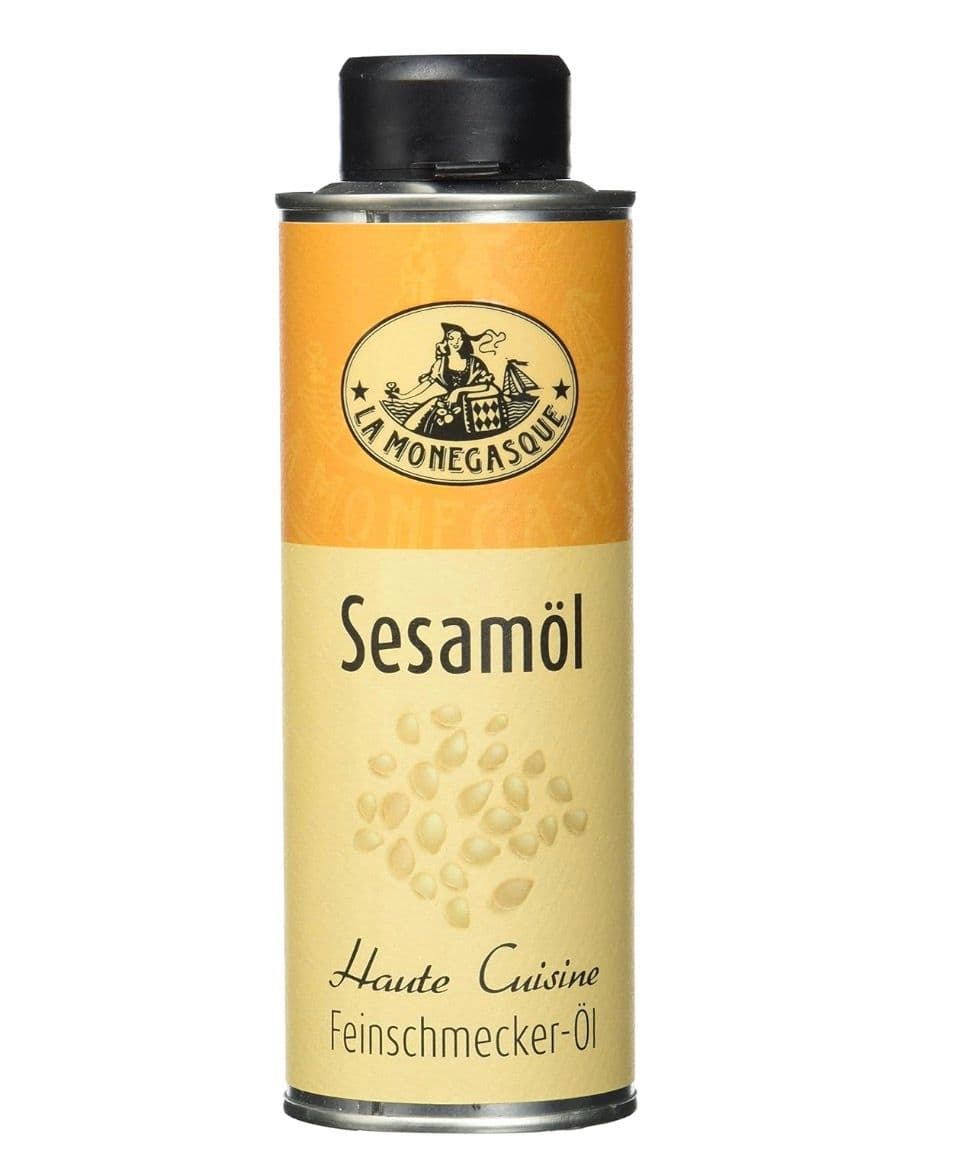
참기름
La Monegasque Sesamöl ist ein Sesamöl, das ich in Deutschland leicht kaufen kann. Nach meinem persönlichen Geschmack gib...
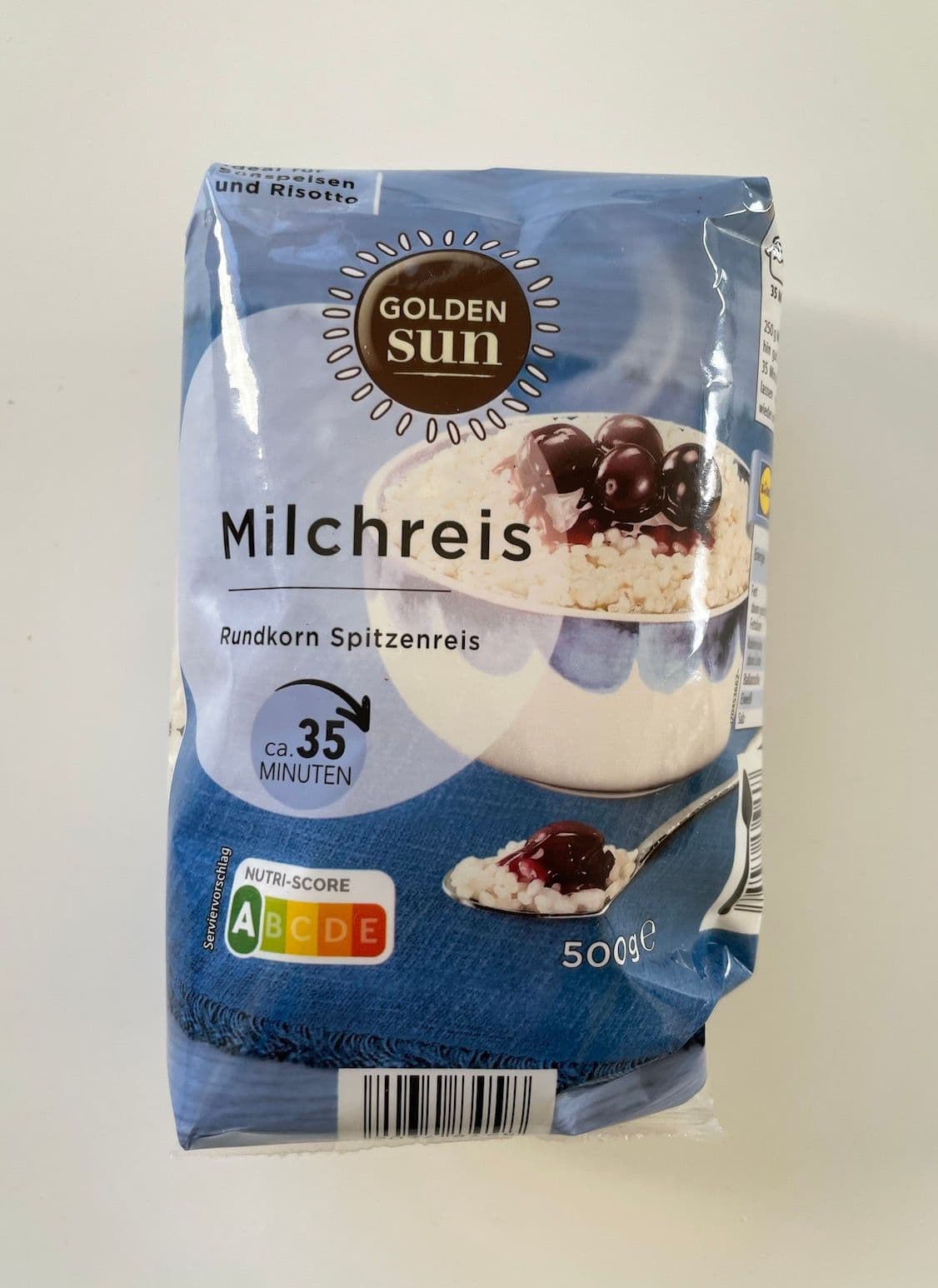
Es ist toll, koreanischen Reis zu kaufen, wenn möglich, aber das ist nicht immer eine Option. Ich verwende meistens Milc...
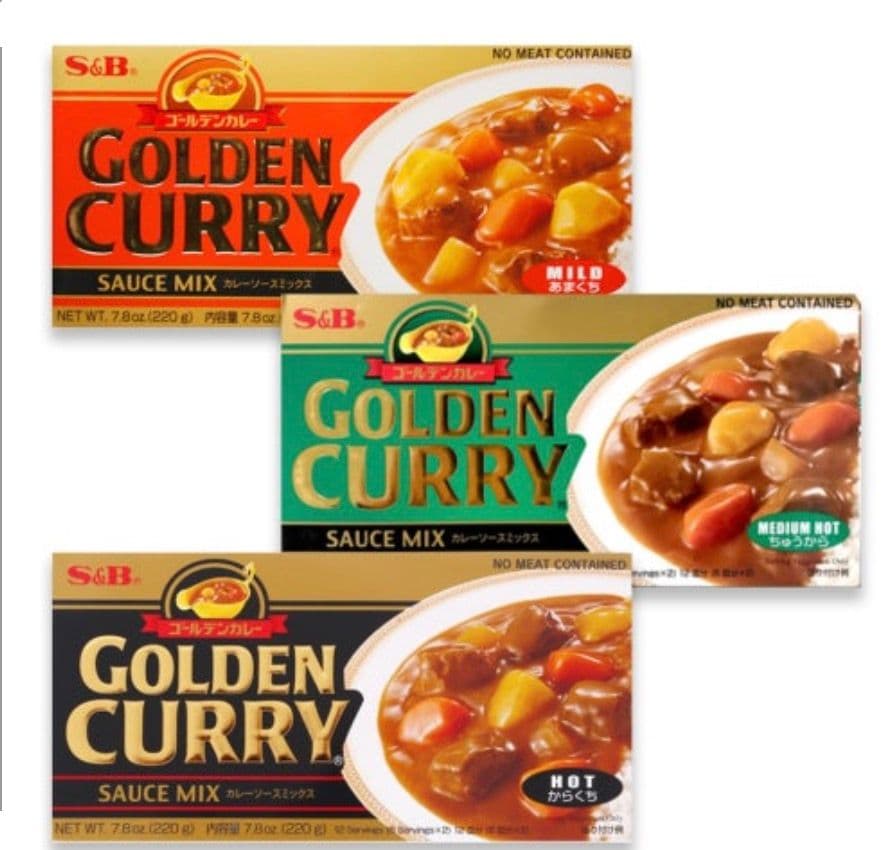
S&B Golden Curry
Für dieses Rezept wird die japanische Curry-Roux S&B Golden Curry verwendet. Den Schärfegrad nach Geschmack wählen. Für ...