Jjajang-Sauce (Koreanische schwarze Bohnensauce, 짜장 소스)
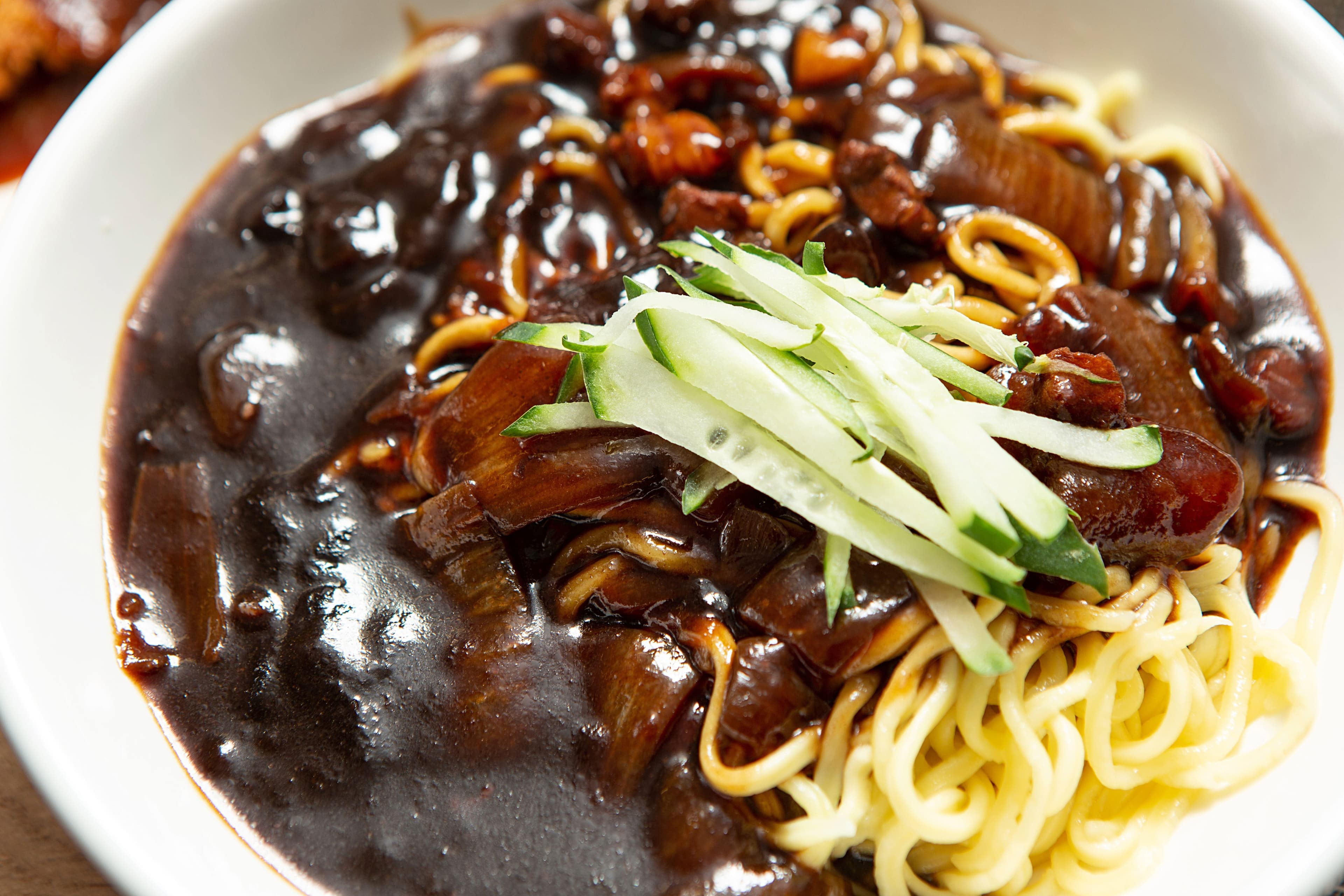
Ein einfaches Jjajang Sauce Rezept mit Chunjang, Gemüse und Fleisch – koreanische schwarze Bohnensauce für Jjajangmyeon oder Reis.
Meine Notizen zu diesem Rezept
Jjajang ist eine der Säulen der koreanisch-chinesischen Küche, zusammen mit Jjamppong. Wenn Sie Korea besuchen, sollten Sie dieses Gericht unbedingt probieren. So wie Deutschland unzählige Döner-Imbisse hat, gibt es in Korea viele „chinesische“ Restaurants, die Jjajangmyeon und Jjamppong anbieten.
Jjajang ist eigentlich der Name der Sauce selbst, die oft mit Nudeln (Jjajangmyeon) serviert wird. Falls Sie in Deutschland keine chinesischen Nudeln finden, können Sie die Sauce auch mit Reis (Jjajangbap) oder Pasta genießen. In Korea servieren viele Restaurants ebenfalls Jjajangbap, also keine Sorge!
So koche ich es
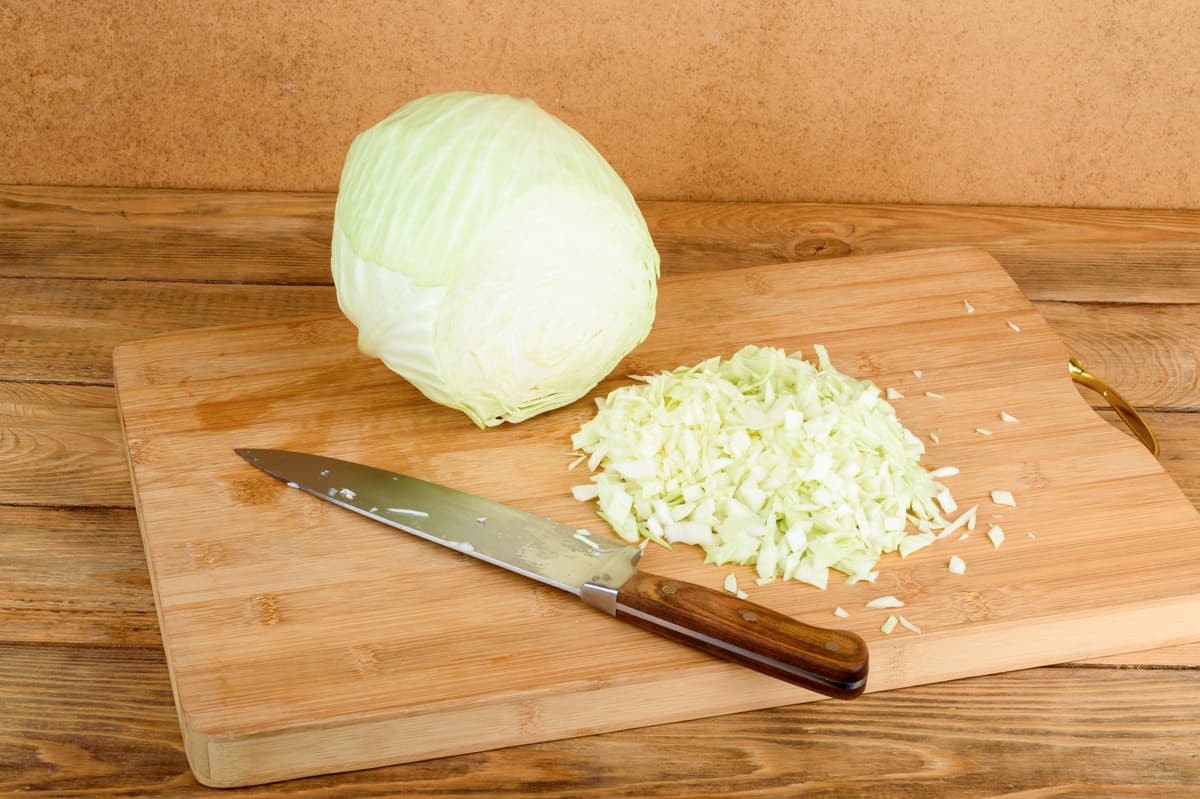
Schneiden Sie Fleisch und Gemüse in kleine Würfel. Hackfleisch funktioniert ebenfalls gut.
- 4:00
Erhitzen Sie 2 Esslöffel Öl in einer Pfanne bei niedriger Hitze. Fügen Sie die Schwarze Bohnenpaste hinzu und braten Sie sie etwa 3–4 Minuten lang, ohne sie zu verbrennen. Entnehmen Sie die Paste aus der Pfanne, lassen Sie das Öl jedoch zurück.
Braten Sie das Fleisch im restlichen Öl an. Fügen Sie ein wenig dunkle Sojasauce hinzu, um den Geschmack zu verbessern.
Sobald das Fleisch durch ist (die Farbe ändert sich), fügen Sie das gewürfelte Gemüse hinzu und braten es, bis es leicht weich ist.
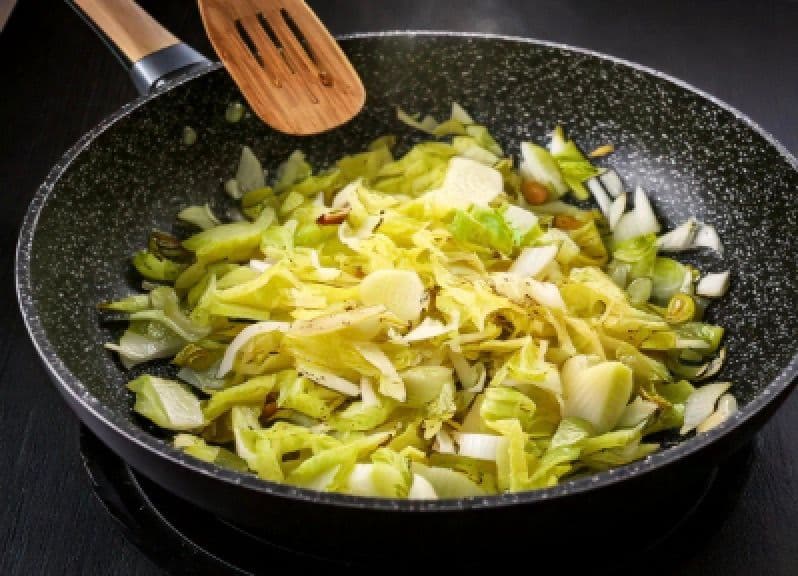
Die vorgebratene Schwarze Bohnenpaste zurück in die Pfanne geben und gut mischen. Für eine trockenere Sauce ("Gan-Jjajang") können Sie hier aufhören.
Für eine sämigere Version 200ml Wasser, Zucker und Austernsaucehinzufügen und gut umrühren.
2 Esslöffel Maisstärke in 3 Esslöffeln Wasser auflösen und nach und nach zur Sauce geben, während Sie umrühren. Kochen, bis die Sauce eindickt.
Mit Reis, Nudeln oder Pasta servieren. Guten Appetit!
Was du als Nächstes kochen kannst
Dieses Rezept teilen
Teile den Link, einen kurzen Rezepttext oder ein Bild mit dem vorhandenen Rezeptfoto.
Für Pinterest vorbereiten
Lade das Bild herunter und füge Titel, Beschreibung und Link in die passenden Felder eines neuen Pins ein.
Prüfe den Text und wähle eine passende Pinnwand. Kennzeichne ein mit KI erstelltes oder bearbeitetes Originalfoto beim Veröffentlichen als KI-modifiziert.