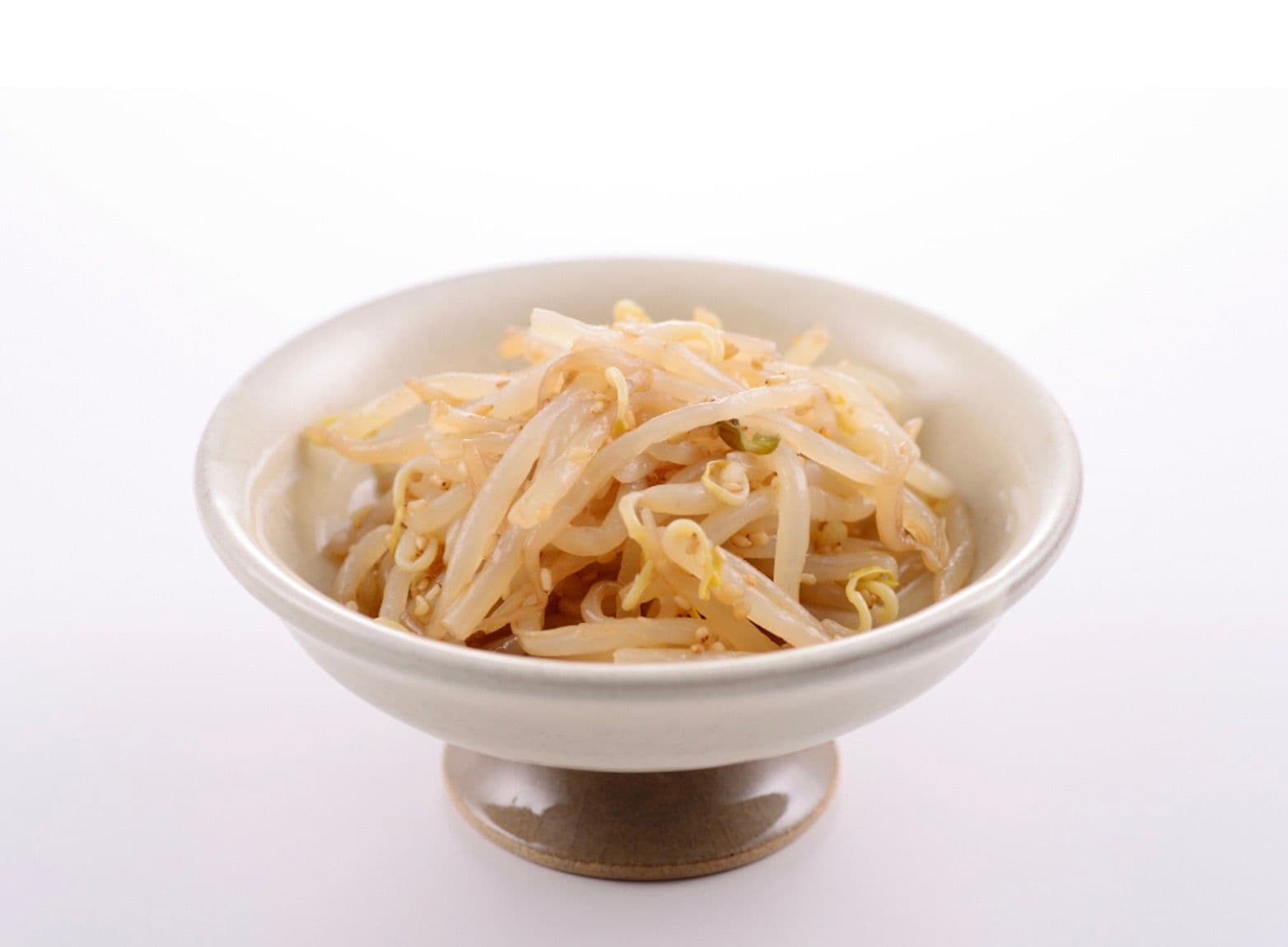
Sukju Namul Muchim (koreanischer Mungbohnensprossensalat, 숙주나물)
Ein einfaches Sukju Namul Muchim Rezept mit Mungbohnensprossen, Knoblauch, Guk-Ganjang und Sesamöl. Koreanische Sprossen-Beilage für Reis oder Bibimbap.
Meine Notizen zu diesem Rezept
Sukju Namul Muchim ist eine einfache koreanische Beilage aus Mungbohnensprossen. In Deutschland ist Sukju oft leichter zu finden als Kongnamul, also Sojasprossen. Mungbohnensprossen sehe ich häufig bei Edeka, Rewe oder im Asia-Markt.
In Korea ist es eher umgekehrt: Kongnamul ist im Alltag sehr verbreitet, während Sukju oft für bestimmte Gerichte verwendet wird. In Deutschland ist Sukju für mich deshalb eine sehr praktische Alternative, wenn ich schnell eine koreanische Sprossenbeilage machen möchte.
Sukju Namul passt gut zu Reis, als Beilage zu koreanischen Gerichten oder als helles, knackiges Topping für Bibimbap. Wichtig ist, die Sprossen nur kurz zu blanchieren, damit sie nicht zu weich werden.
So koche ich es
Die Mungbohnensprossen gründlich unter kaltem Wasser abspülen.
1 Liter Wasser in einem Topf zum Kochen bringen und das Salz dazugeben.
Die Mungbohnensprossen ins kochende Wasser geben und etwa 1 Minute 30 Sekunden bis 2 Minuten blanchieren. Nicht zu lange kochen, denn Sukju sollte leicht knackig bleiben.
Die Sprossen abgießen und kurz mit kaltem Wasser abspülen, damit sie nicht weitergaren. Danach in einem Sieb gut abtropfen lassen.
Die abgetropften Mungbohnensprossen in eine Schüssel geben. Knoblauch, Guk-Ganjang oder Fischsauce und Sesamöl dazugeben.
Alles vorsichtig mit den Händen oder Stäbchen mischen, damit die Sprossen nicht zu stark brechen.
Abschmecken und bei Bedarf mit etwas Salz oder Guk-Ganjang nachwürzen.
Mit reichlich Sesam bestreuen und als Beilage servieren oder als helles, knackiges Topping für Bibimbap verwenden.
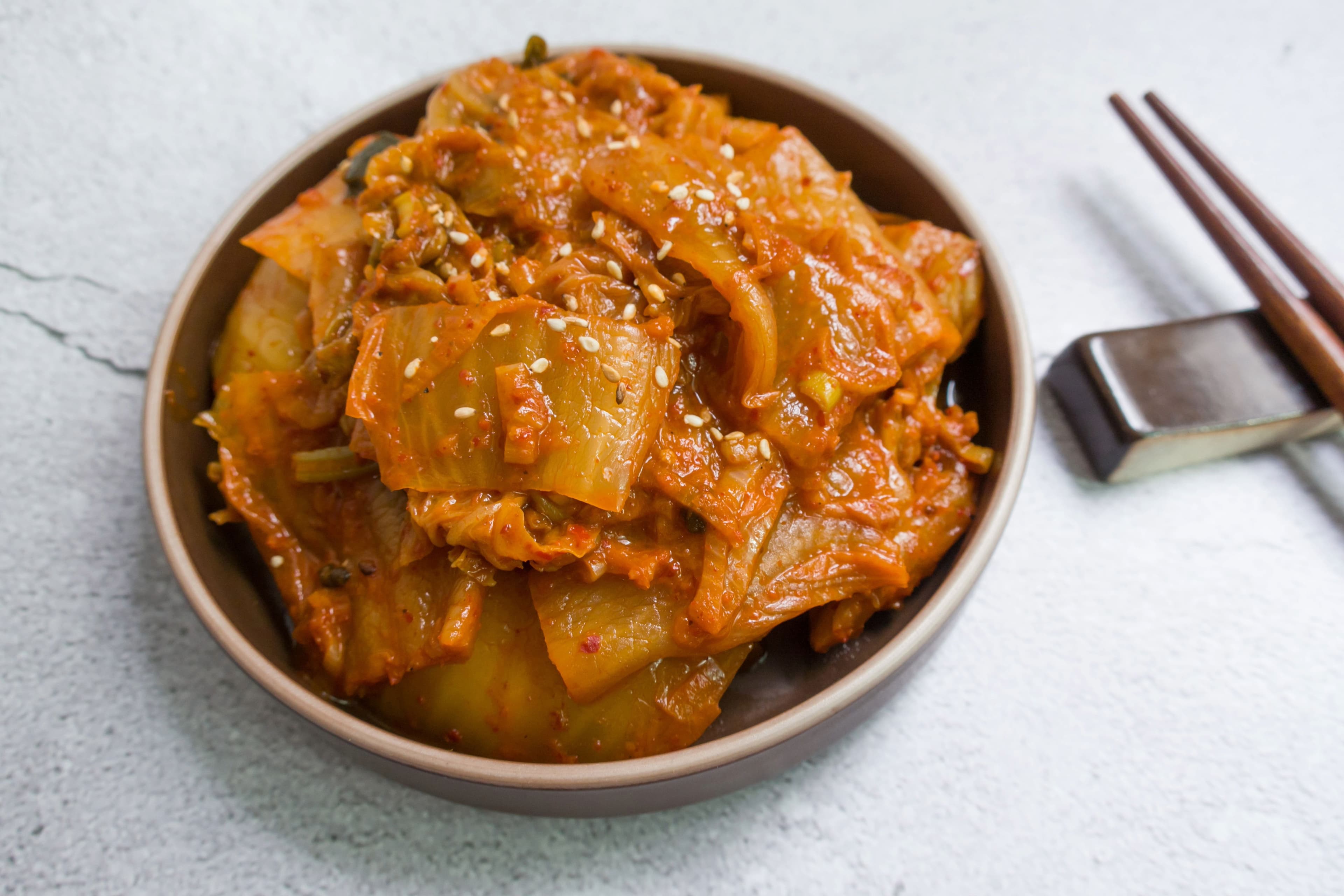
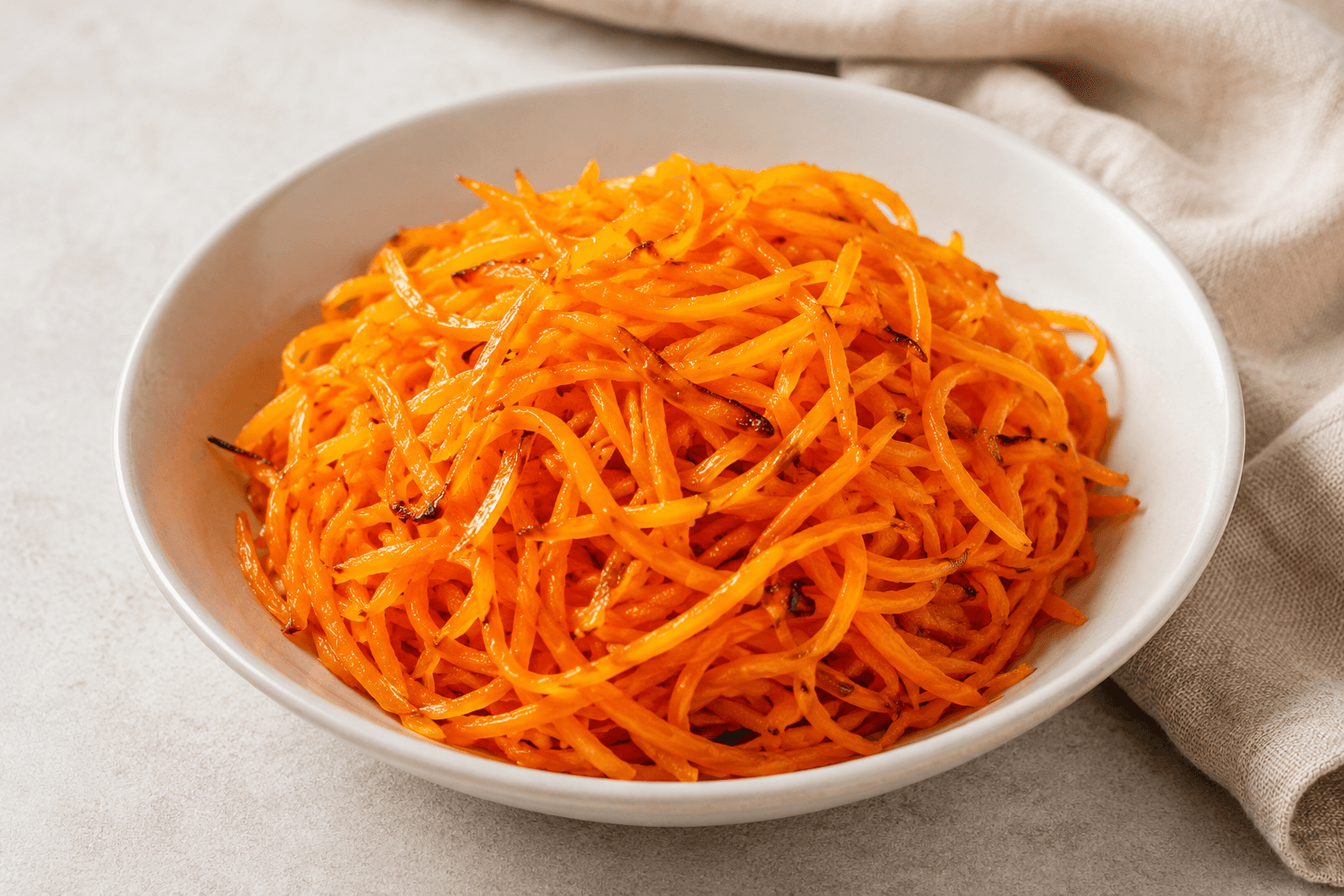
Was du als Nächstes kochen kannst

Dieses Rezept teilen
Teile den Link, einen kurzen Rezepttext oder ein Bild mit dem vorhandenen Rezeptfoto.
Für Pinterest vorbereiten
Lade das Bild herunter und füge Titel, Beschreibung und Link in die passenden Felder eines neuen Pins ein.
Prüfe den Text und wähle eine passende Pinnwand. Kennzeichne ein mit KI erstelltes oder bearbeitetes Originalfoto beim Veröffentlichen als KI-modifiziert.