Finding the ingredients
You can open unfamiliar ingredients directly from the list. Many Korean pantry basics are easiest to find in Asian grocery stores or online, while fresh ingredients can often be handled more flexibly.
 Hansik Young
From my kitchen
I keep this recipe practical for everyday cooking: clear steps, linked ingredients, and small notes from my kitchen so you can make it realistically in Germany too.
Kimchi is now recognized globally, with many people not only enjoying it but also making it themselves. In Korea, making kimchi is traditionally more common in rural areas or among older generations. However, not all young Koreans know how to make kimchi these days.
The peak season for kimchi-making in Korea is winter, known as “Kimjang”, when families prepare large batches of Kimjang Kimchi. This tradition originated from the need to store food during winters when fresh vegetables were scarce. Historically, families in rural areas would bury large clay pots filled with kimchi underground to preserve it, pulling out portions as needed.
For Kimjang, people don’t just make one cabbage’s worth—they typically prepare over 100 heads of cabbage, making it a major family event. Imagine those cabbages from the supermarket—now picture preparing more than 100 of them. It’s truly a huge undertaking!
These days, most Koreans live in apartments (as in BLACKPINK Rosé’s song "Apartment"), making it impractical to prepare such large quantities of kimchi. Instead, they either make small batches or buy from popular brands like Jongga, as I mentioned in a previous recipe.
Freshly made kimchi for immediate consumption, often called “Geotjeori”, is different from the kimchi stored for long periods. Geotjeori is usually eaten within a week. The method is similar but slightly simpler. The kimchi in this recipe is made with napa cabbage (baechu), the most common type of kimchi.
Today, I’ll share a recipe for Geotjeori, which has a slightly aged kimchi flavor but is made for short-term consumption. There are countless types of kimchi recipes, so stay tuned for more in the future!
You can open unfamiliar ingredients directly from the list. Many Korean pantry basics are easiest to find in Asian grocery stores or online, while fresh ingredients can often be handled more flexibly.
Prepare the cabbage: Trim the napa cabbage and cut it so that the leaves and stems stay attached. Place it in a large bowl.
Salt the cabbage: Dissolve 1/3 cup of salt in 400ml of water and pour it over the cabbage. Let it sit for 1 hour, turning it over every 20 minutes. In hot summer weather, reduce the salting time to about 40 minutes.
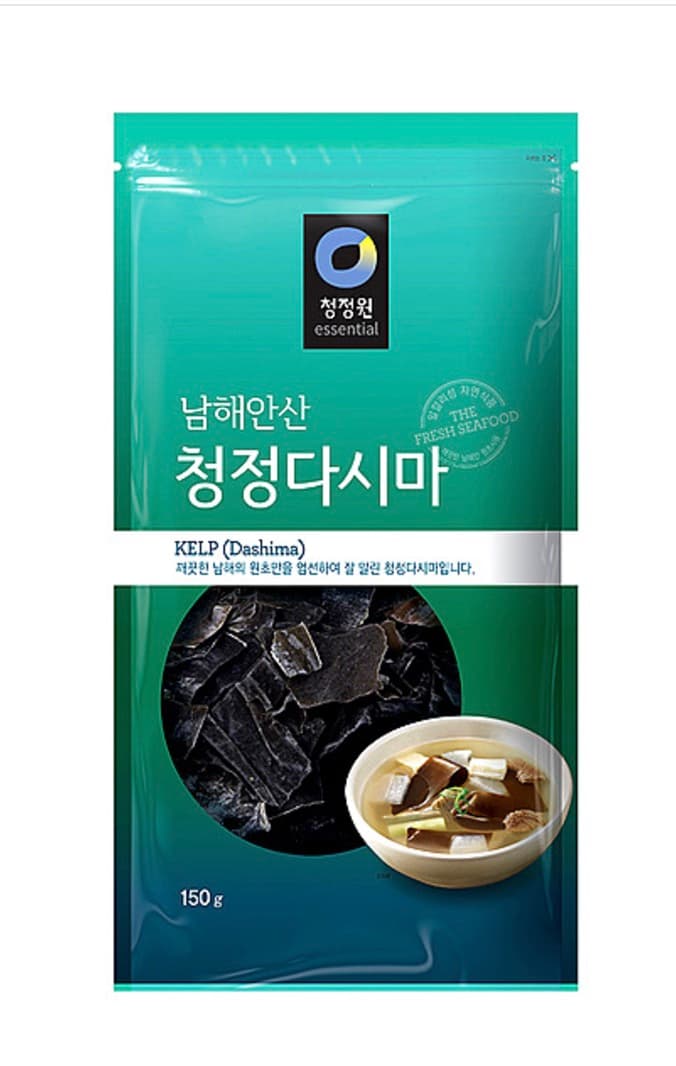
Make the glutinous rice paste: Boil 250ml of water with 1 piece of kelp for 10 minutes. Remove the kelp and stir in a mixture of 2/3 tablespoon of glutinous rice flour and 2 tablespoons of water. Stir until it thickens, then turn off the heat and let it cool completely.
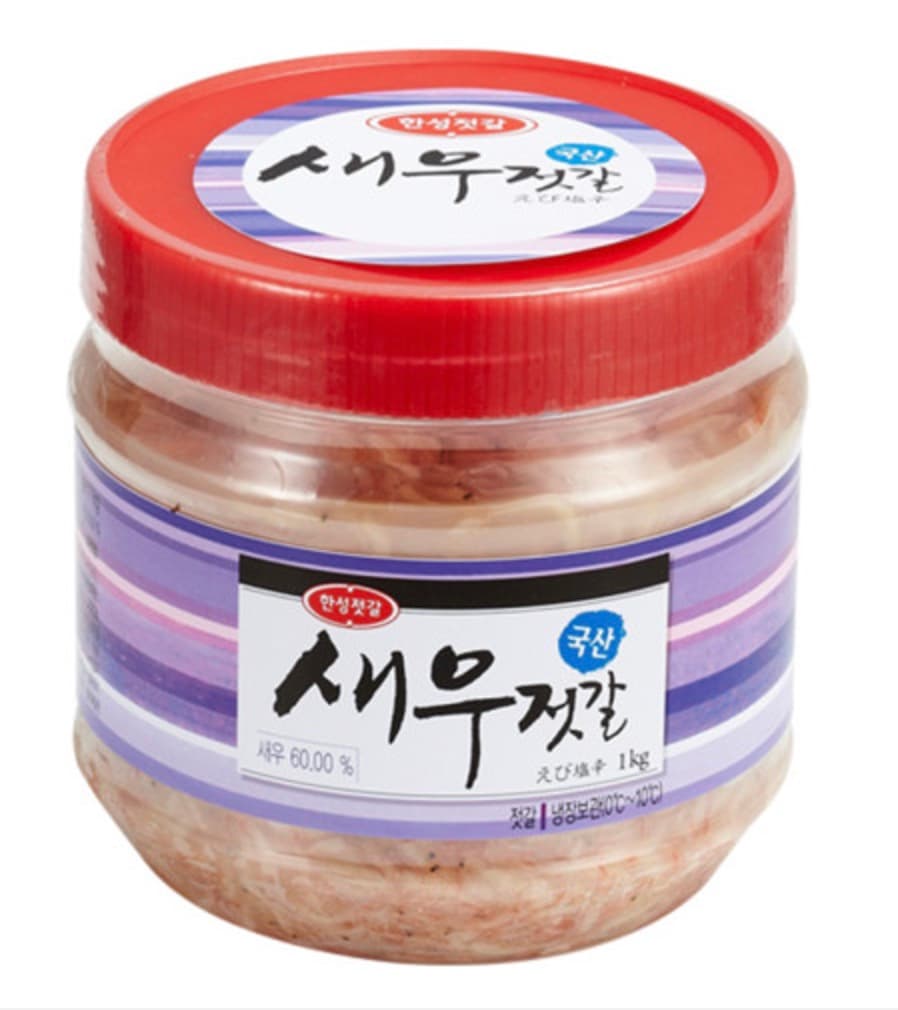
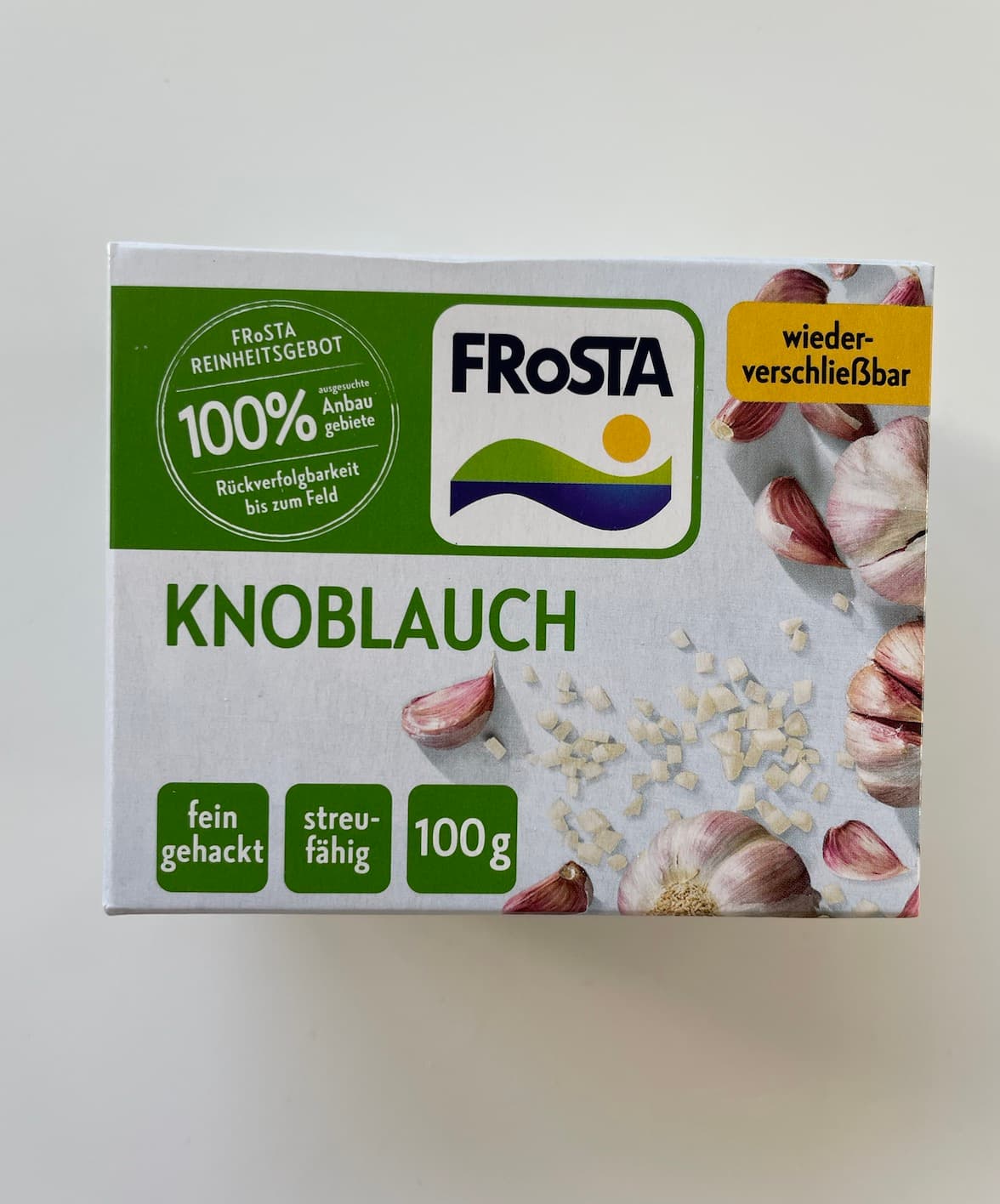
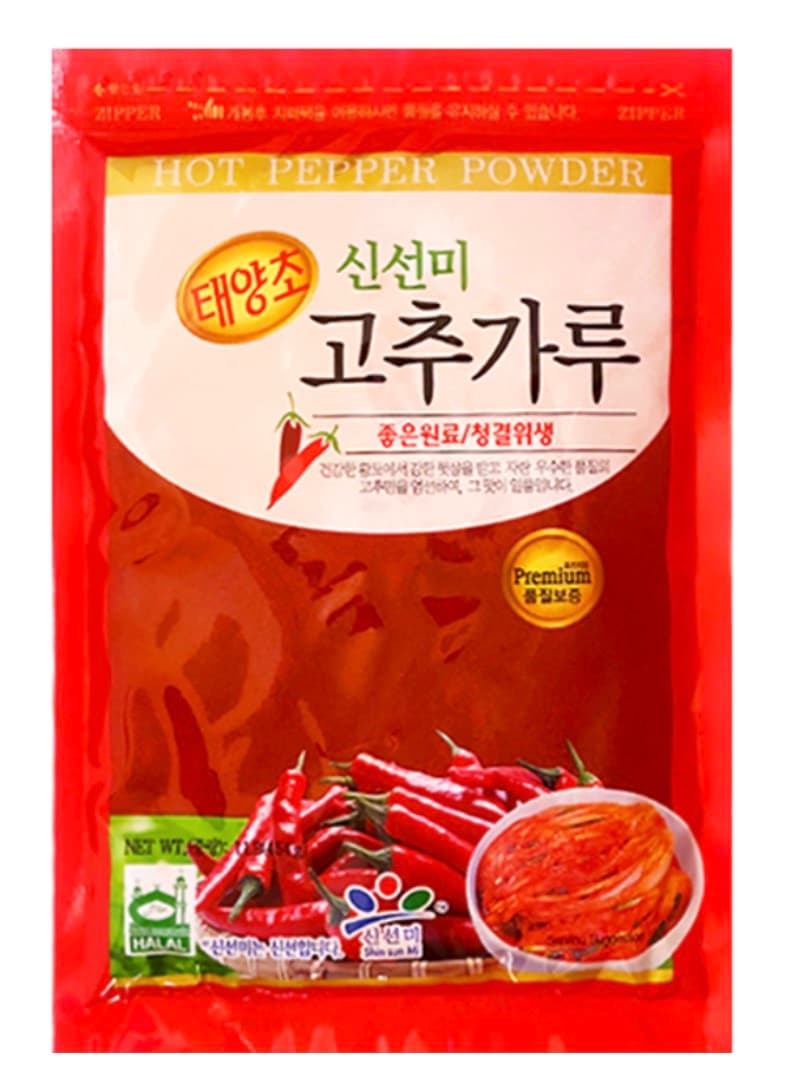
Make the seasoning: In a bowl, mix the cooled rice paste with the fish sauce, salted shrimp, minced garlic, minced ginger, chili powder, and sugar.
Rinse the cabbage: Once the cabbage is salted, rinse it 2–3 times under running water and drain thoroughly.
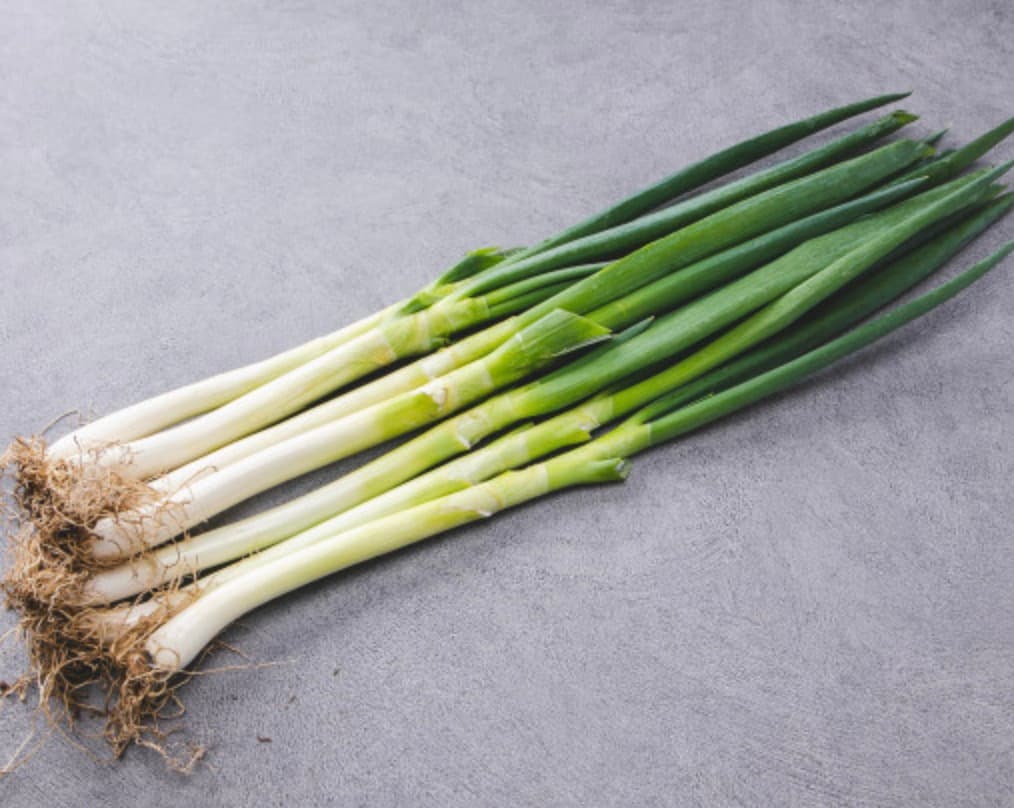
Combine everything: Toss the drained cabbage with the seasoning mixture, add the green onions or chives, and mix well.
Your fresh kimchi (Geotjeori) is ready! Enjoy it as a side dish with rice or other Korean meals.
Yes. Read through the steps once and prepare the ingredients first. That makes the recipe much easier to follow.
Asian grocery stores, Korean online shops, and larger supermarkets with an Asian section are usually the easiest places to start.