Finding the ingredients
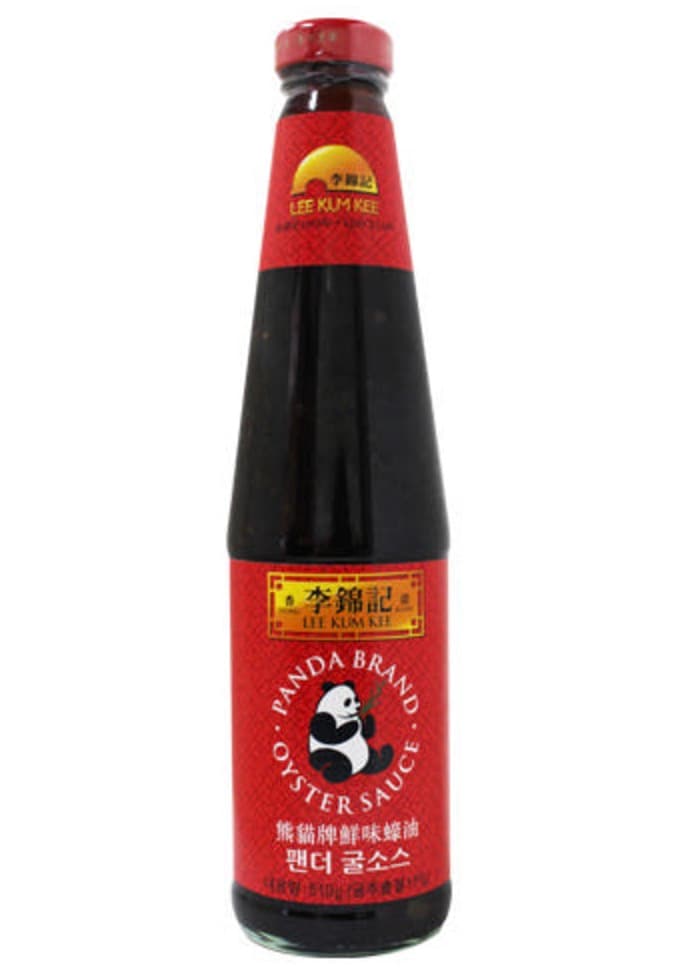
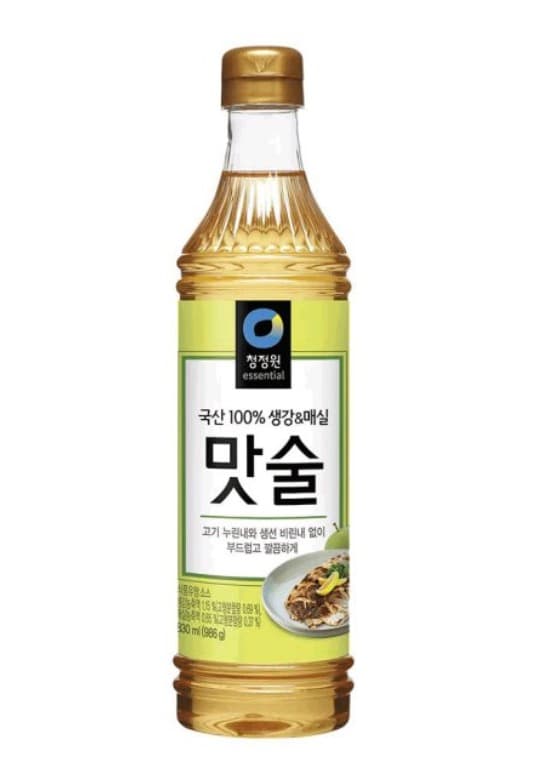
You can open unfamiliar ingredients directly from the list. Many Korean pantry basics are easiest to find in Asian grocery stores or online, while fresh ingredients can often be handled more flexibly.
 Hansik Young
From my kitchen
I keep this recipe practical for everyday cooking: clear steps, linked ingredients, and small notes from my kitchen so you can make it realistically in Germany too.
In Korea, eggplant is a widely enjoyed vegetable, and luckily, the eggplants in Germany look very similar (though German eggplants seem slightly larger^^), allowing me to recreate the authentic Korean taste. Today, I’ll show you how to make a spicy stir-fried eggplant dish.
French dishes like ratatouille are also delicious, and there are many recipes that involve grilling eggplants. However, as a lover of spicy food, I prefer today’s recipe, which is a perfect "rice thief" (meaning you'll want more rice to eat with it).
If it’s too spicy for your taste, feel free to reduce the amount of chili powder. Cooking is all about finding recipes that suit your preferences, right? 😊
You can open unfamiliar ingredients directly from the list. Many Korean pantry basics are easiest to find in Asian grocery stores or online, while fresh ingredients can often be handled more flexibly.
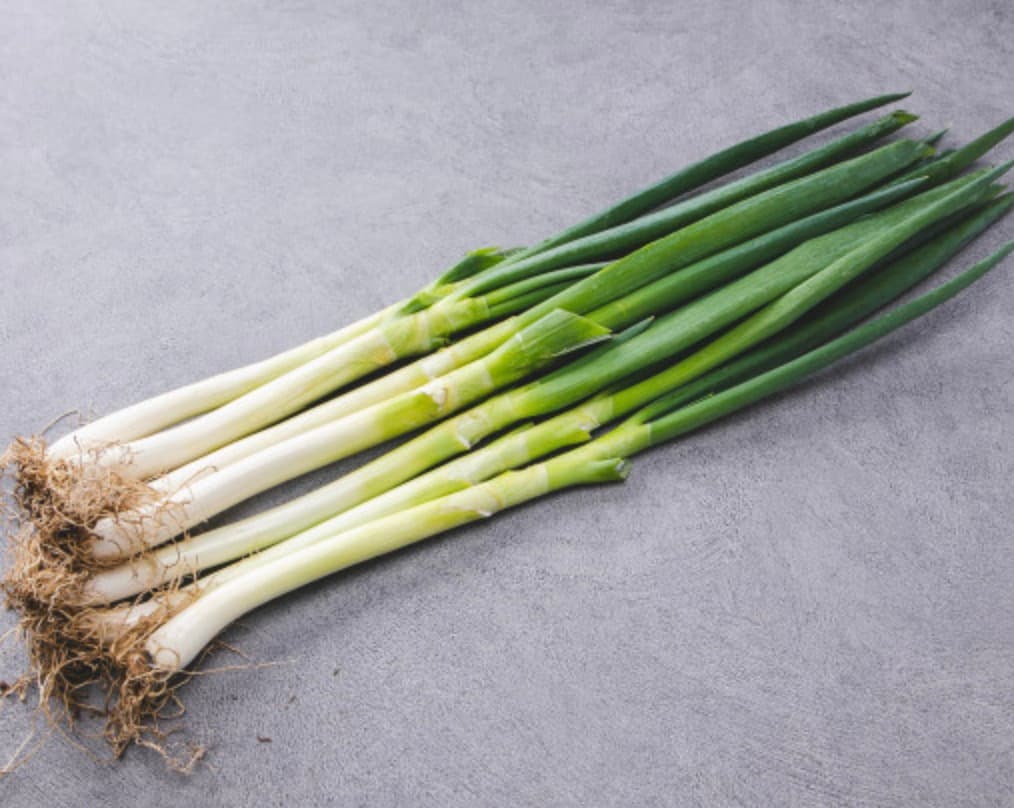
First, cut the eggplant into bite-sized pieces. I usually quarter the eggplant and slice it diagonally. If you cut it too small, the texture becomes less satisfying. Lightly slice the onion into strips (not too thin), and chop the leek into small pieces to prepare for making leek oil.
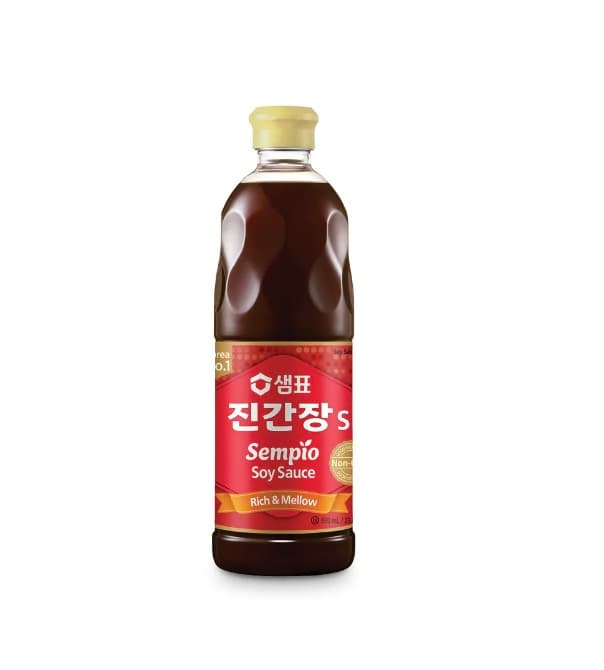
Mix all the seasoning ingredients (except for chili powder, sesame seeds, and water) in a small bowl. This makes it easier to add later.
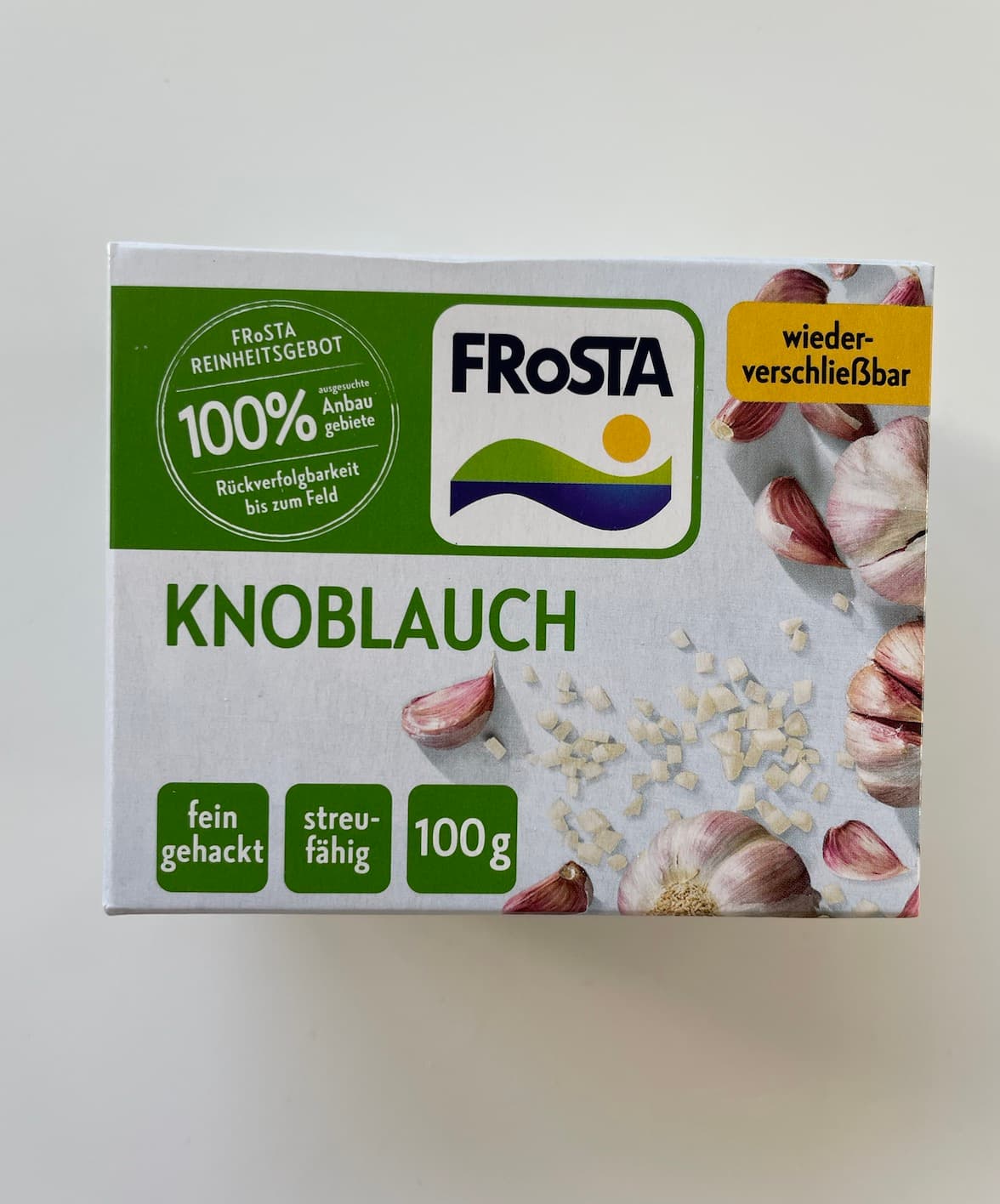
Heat oil in a pan over medium heat and add the minced garlic and chopped leek. Cook until they release a fragrant aroma. If you or your family aren’t fans of garlic or leek, you can omit them—it’s all about personal preference. Personally, I love them.
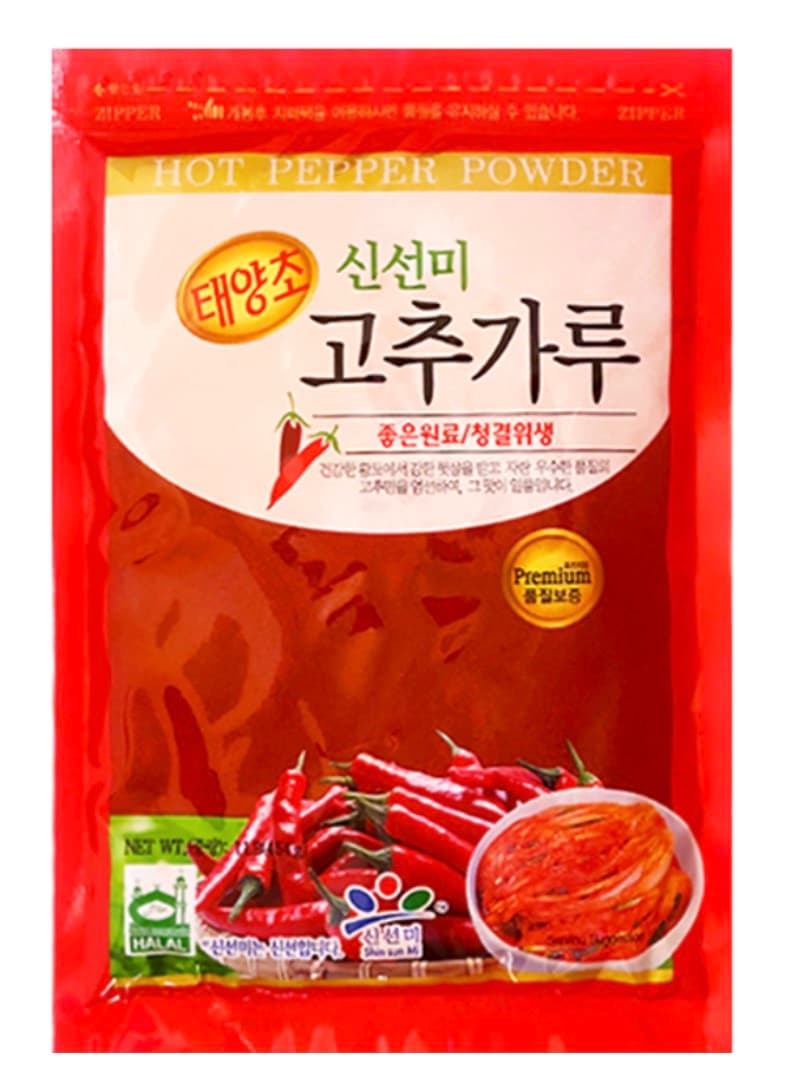
Add chili powder to the pan to make chili oil. Stir it quickly over low heat to avoid burning.
Add the eggplant and onion to the pan. Compared to Korean eggplants, German eggplants tend to have less moisture. So, add water gradually while stir-frying. If you prefer a thicker sauce to pour over rice, you can add more water.
Add the prepared sauce to the pan and stir-fry until the eggplants are tender and flavorful. The smell will be irresistible!
Finish by sprinkling sesame seeds on top, and you're done. It’s that simple! Serve with rice, and you’ll have a delicious and satisfying meal.
First, cut the eggplant into bite-sized pieces. I usually quarter the eggplant and slice it diagonally. If you cut it too small, the texture becomes less satisfying. Lightly slice the onion into strips (not too thin), and chop the leek into small pieces to prepare for making leek oil.
Mix all the seasoning ingredients (except for chili powder, sesame seeds, and water) in a small bowl. This makes it easier to add later.
Heat oil in a pan over medium heat and add the minced garlic and chopped leek. Cook until they release a fragrant aroma. If you or your family aren’t fans of garlic or leek, you can omit them—it’s all about personal preference. Personally, I love them.
Add chili powder to the pan to make chili oil. Stir it quickly over low heat to avoid burning.
Add the eggplant and onion to the pan. Compared to Korean eggplants, German eggplants tend to have less moisture. So, add water gradually while stir-frying. If you prefer a thicker sauce to pour over rice, you can add more water.
Add the prepared sauce to the pan and stir-fry until the eggplants are tender and flavorful. The smell will be irresistible!
Finish by sprinkling sesame seeds on top, and you're done. It’s that simple! Serve with rice, and you’ll have a delicious and satisfying meal.
Yes. Read through the steps once and prepare the ingredients first. That makes the recipe much easier to follow.
Asian grocery stores, Korean online shops, and larger supermarkets with an Asian section are usually the easiest places to start.